Selling a historic home in Kenwood or Hyde Park is not the same as selling a newer property. If your home has original masonry, wood windows, period trim, or a facade that reflects the area’s architectural history, the goal is not to erase its age. The goal is to present that character well, address the issues that matter most to buyers, and avoid repairs that can create problems with permits or disclosures. This guide will help you prep thoughtfully, protect value, and move toward market with a clear plan. Let’s dive in.
Why historic-home prep is different
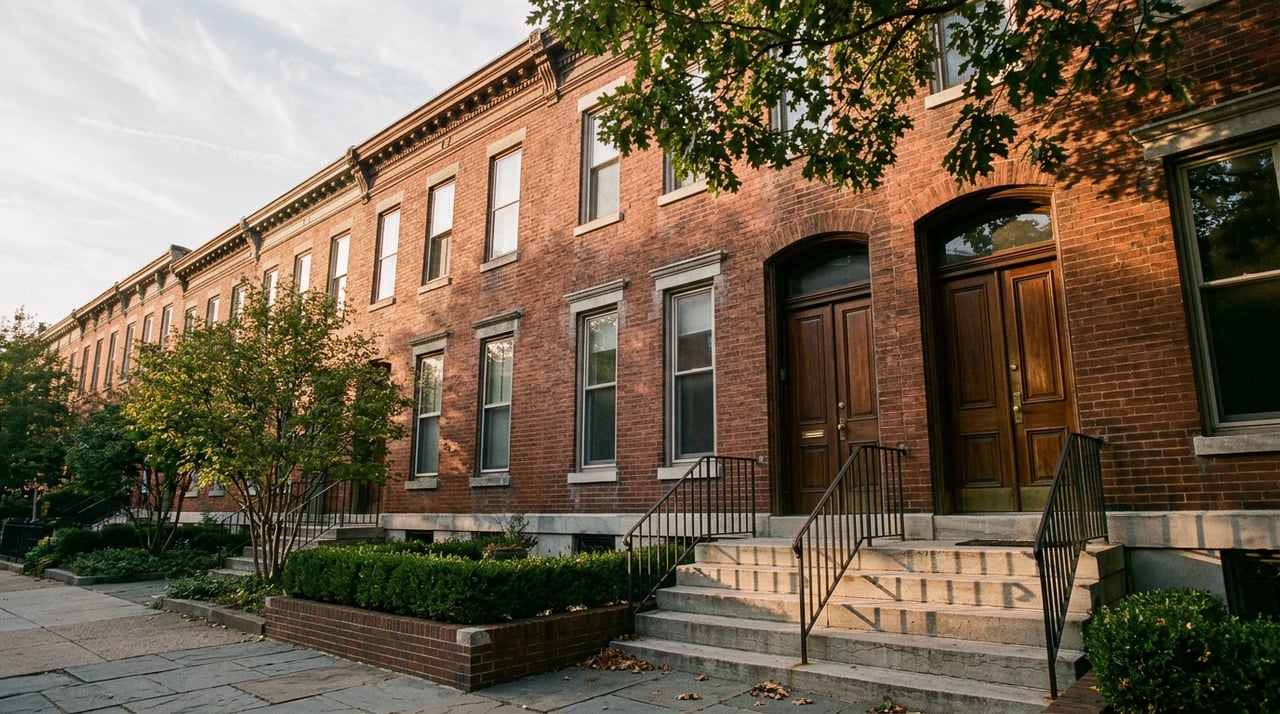
Kenwood and nearby North Kenwood include designated Chicago landmark districts with homes dating back to the late 19th and early 20th centuries. According to the City of Chicago landmark district information, the area is known for large single-family homes, masonry rowhouses, and architectural styles such as Italianate, Colonial Revival, Queen Anne, and Prairie School.
That matters when you get ready to sell. In these neighborhoods, original details are often part of what gives a home its appeal. Features like historic windows, doors, trim, masonry, floors, and facade elements should usually be treated as assets to clean, repair, and highlight rather than remove.
The city also reviews certain changes to individual landmarks and properties within landmark districts during permit review. As explained in the Commission on Chicago Landmarks general information, proposed alterations, demolition, or new construction can trigger review, especially when visible exterior features are involved.
Start with landmark status
Before you repaint, replace windows, or update curb appeal, confirm whether your property is individually landmarked or part of a landmark district. This is one of the most important first steps because exterior work on a designated property may need to follow specific rules.
Chicago notes that significant features in landmark districts are typically exterior elevations visible from the public right-of-way. The city’s owners Q&A page also explains that routine maintenance and minor repairs generally do not require a building permit for landmark buildings, which can help you focus on preservation-minded updates rather than unnecessary changes.
In practical terms, this means you should pause before making visible exterior upgrades just for resale. A rushed replacement project can be more expensive, slower, and less helpful than a careful repair.
Get a pre-list inspection early
A pre-list inspection is not required, but it can make your sale smoother. The National Association of Realtors consumer guide says a pre-sale inspection can help you identify issues before showings and give you more control over repairs and buyer conversations.
For a historic home, that early inspection helps you sort repairs into clear categories:
- Issues that could affect financing or negotiations
- Deferred maintenance that may worry buyers
- Cosmetic items you can leave alone
- Historic features that should be repaired instead of replaced
Inspections commonly look at the structure, roof, plumbing, electrical, HVAC, interior conditions, insulation, fireplaces, and exterior components. Depending on the home, testing may also involve mold, radon, lead paint, or asbestos.
Fix moisture problems first
If you only tackle one category of repair before listing, make it moisture management. The National Park Service notes that historic houses often allow moisture in through deteriorated roofing, missing mortar, and cracks around windows and doors. Their guidance recommends repairing roofing materials, maintaining gutters and downspouts, and caulking or repointing openings before moving to larger interventions.
You can review that guidance in the National Park Service resource on moisture in historic buildings. For sellers in Kenwood and Hyde Park, this is especially important because water stains, peeling finishes, and damp masonry can quickly raise buyer concern.
Focus first on:
- Roof leaks or damaged flashing
- Gutters and downspouts in poor repair
- Open joints around windows and doors
- Deteriorated mortar in brick or stone
- Interior staining that may point to an active leak
If you see plaster damage or interior surface staining, do not assume it is a cosmetic patch job. NPS specifically advises checking the roof and window area above the damaged spot first.
Be careful with windows and doors
Historic windows and doors are often a major part of a home’s appeal. They also tend to be one of the first things sellers consider replacing. In many cases, that should not be your first move.
The National Park Service explains in its weatherization guidance for historic windows and doors that repair, caulking, weatherstripping, and storm windows can improve performance while preserving the historic appearance. It also recommends a window-by-window assessment instead of broad replacement.
For your listing prep, that usually means:
- Repair loose or deteriorated components where possible
- Improve function with weatherstripping and caulking
- Clean and present original windows well
- Replace only when truly necessary and with compatible solutions
Buyers looking at historic homes in Kenwood and Hyde Park often expect some age and individuality. What they do not want is visible neglect or uncertainty about whether important features were handled thoughtfully.
Preserve character, then stage around it
When you prepare a historic home for sale, think of the architecture as part of the marketing. The Secretary of the Interior’s Standards for the Treatment of Historic Properties emphasize repair and maintenance of historic materials and features over extensive replacement.
That principle works well for sellers. If your home has original floors, trim, stairs, masonry, doors, or facade details, your prep plan should help those features read clearly in photos and in person.
A few smart presentation moves can make a big difference:
- Deep clean surfaces so original materials look cared for
- Remove clutter that competes with architectural details
- Use simple, neutral staging that does not overpower the rooms
- Let natural light work where possible
- Keep curb appeal tidy without changing the home’s character
Staging matters. In the 2025 NAR staging snapshot, 83% of buyers’ agents said staging made it easier for buyers to visualize the property as a future home. NAR also recommends decluttering, cleaning windows and light fixtures, improving curb appeal, and staging key spaces like the living room, primary bedroom, and dining room.
For a historic listing, the best staging is often restrained. You want buyers to notice the home, not just the furniture.
Understand lead-safe repair rules
Many historic homes in Kenwood and Hyde Park were built before 1978, which means prep work can involve lead-related rules. The EPA states that anyone paid to disturb paint in pre-1978 housing must be certified and follow lead-safe work practices.
You can review those requirements through the EPA Renovation, Repair and Painting program. If your prep work involves sanding, scraping, window repair, or other paint disturbance, this is not something to gloss over.
There are also seller disclosure requirements. For most pre-1978 homes, federal rules require sellers to:
- Disclose known lead-based paint information before contract signing
- Provide available records and reports
- Include the Lead Warning Statement
- Give buyers a 10-day opportunity for a lead inspection or risk assessment
Stay on top of Illinois disclosures
Historic-home prep is not only about repairs and presentation. It is also about documentation. Illinois requires the residential real property disclosure report to be delivered before the contract is signed, and state law requires a supplemental disclosure if you later learn that something provided was inaccurate.
The governing law appears in the Illinois Residential Real Property Disclosure Act. The practical takeaway is simple: gather your information early and update it promptly if new facts come up before closing.
It also helps to organize any:
- Service records
- Repair invoices
- Warranties or guarantees
- Appliance and system manuals
According to NAR’s seller guidance, these records can help show buyers that the home has been maintained.
A practical prep checklist
If you want a clear plan before listing, use this sequence:
- Confirm landmark status and review whether exterior work may affect permit review.
- Schedule a pre-list inspection to identify major concerns.
- Address moisture issues first, including roof, drainage, masonry, and openings.
- Evaluate historic windows and doors for repair before replacement.
- Use lead-safe contractors if prep work disturbs painted surfaces in a pre-1978 home.
- Gather disclosure documents, service history, and repair records.
- Declutter, clean, and stage key rooms so original character stands out.
- Build a listing strategy that presents preserved details as a strength.
Prep for the buyer you want
The right buyer for a historic home is often looking for a property with substance, design character, and a story. Your job is to make that story easy to see while removing avoidable concerns.
That does not mean over-renovating. In Kenwood and Hyde Park, thoughtful prep is usually less about making a historic home feel brand new and more about showing that it has been cared for, understood, and positioned well for its next owner.
If you are preparing a historic property for sale and want a practical plan for repairs, presentation, and listing strategy, Naja Morris can help you evaluate what to fix, what to preserve, and how to bring your home to market with confidence.
FAQs
What should you repair first before selling a historic home in Kenwood or Hyde Park?
- Start with moisture-related issues such as roof leaks, damaged flashing, gutters, downspouts, cracks around windows and doors, and deteriorated mortar, since these problems can affect both condition and buyer confidence.
Do landmark rules matter when selling a historic home in Kenwood or Hyde Park?
- Yes. If your property is individually landmarked or located in a landmark district, visible exterior changes may be subject to Chicago permit-review rules, so confirm status before making updates.
Should you replace old windows before listing a historic home?
- Not automatically. National Park Service guidance recommends assessing windows individually and considering repair, weatherstripping, caulking, or storm windows before replacement.
Do sellers of older homes in Illinois need lead-paint disclosures?
- If the home was built before 1978, federal rules generally require sellers to disclose known lead-based paint information, provide available records, and give buyers time for a lead inspection or risk assessment.
Is a pre-list inspection worth it for a historic home sale?
- Often, yes. A pre-list inspection can help you identify major concerns early, decide which repairs to make, and reduce surprises during buyer negotiations.