Thinking about building new construction in Bronzeville for the first time? The opportunity can be exciting, but the process is rarely as simple as buying a vacant lot and hiring a contractor. If you want to move with more confidence, you need to understand how parcel-level research, zoning, permits, inspections, and pricing all fit together. Let’s dive in.
Start With The Parcel
In Bronzeville, new construction decisions should start with the exact lot, not with a broad neighborhood assumption. The City of Chicago notes that its zoning map is designed to be searched by address, PIN, or intersection, which is a good reminder that one block can differ from the next.
That matters because a vacant parcel is not automatically a buildable parcel for your intended plan. Before you get attached to a site, you need to confirm what the property is allowed to become and whether that aligns with your budget, timeline, and exit strategy.
Why Bronzeville Requires Lot-By-Lot Diligence
Bronzeville is best treated as a parcel-by-parcel market. The city also offers public permit and inspection records, which can help you screen a property’s recent history before you finalize a purchase or construction plan.
For a first-time builder, this step can save real money. A lot that looks straightforward online may still trigger added review, design changes, or delays once your team starts the permit process.
Check Zoning First
Your first practical step is reviewing the parcel in the city’s Chicago zoning map tool. This helps you understand the zoning classification tied to that exact address or PIN.
Zoning review is the foundation of feasibility. It helps answer the basic question: can this lot support the building form you have in mind?
Review Permit History
After zoning, look at the public records trail. Chicago’s building records search portal can be used as a screening tool to review permit-related history tied to the property.
It is important to treat this as a research step, not a guarantee. The city states that these records are provided without warranty as to accuracy, completeness, timeliness, or sequence, and the permit-status site only covers applications started within the last 36 months.
Screen For Landmark Issues
You also want to know whether the parcel may involve landmark review. If a property is a Chicago Landmark or located within a landmark district, the Commission on Chicago Landmarks reviews alteration, demolition, and new construction as part of permit review, according to the city’s zoning map help resources.
For a first-time builder, this can affect both timing and design expectations. It does not always stop a project, but it can add another layer of review you need to account for early.
Build Your Team Early
A strong project starts with the right professionals in the right order. In Chicago, plan-based new construction permit applications require plans prepared by an architect or engineer, according to the city’s building permit guidance.
That means your architect or engineer is often one of the earliest key hires. They help turn your idea into a plan set the city can actually review.
Verify Licensed Professionals
Chicago offers a permit professional lookup tool that covers architects, engineers, self-certification professionals, structural peer reviewers, and expediters. The city also notes that inactive or expired contractor status, or missing insurance, can prevent permit issuance.
This is one of the simplest checks you can make before your project gains momentum. It helps you confirm that the people guiding your build are in good standing before delays show up later.
Understand Each Role
For first-time builders, the team structure can feel confusing. Your architect or engineer handles the plans, an expediter may help move documents and approvals through the process, and your contractor handles construction execution.
A broker-consultant plays a different role. In a project like this, that support is most useful in coordinating market strategy, helping you assess the likely resale path, curating vendors, and keeping the project aligned with what buyers in Bronzeville are actually responding to.
Know The Permit Process
Chicago does not run every permit through the exact same review path. The city recognizes Standard Plan Review, Self-Certification, and Developer Services, so your timeline may depend in part on how your project is reviewed.
That is why first-time builders should avoid assuming a one-size-fits-all schedule. Two projects in the same area can move very differently depending on scope, documents, and review path.
Track Status The Right Way
Chicago’s permit application status site lets applicants and authorized representatives monitor progress. The city notes that the full status tool works best when you search by permit application number, while address-only searches show more limited information.
This can help you spot reviews, holds, open corrections, and unresolved issues that may block permit issuance. If the city is asking for revisions, the status details can make it clearer where the delay is happening.
Expect Revisions
If you are new to development, permit corrections can feel discouraging. In reality, they are often just part of the process.
Missing documents, design changes, or unresolved review comments can all extend the timeline. That is one reason it helps to work with a team that is organized, responsive, and realistic about follow-up.
Use Time Benchmarks Carefully
As of April 19, 2026, Chicago’s public Time to Permit dashboard showed 86 days total time to permit, including 28 days of DOB processing and 58 days with the applicant.
That is a useful benchmark, but it is not a promise. If your plans need corrections or your file requires additional review, your project can take longer.
Prepare For Construction And Inspections
Once permits are issued and construction begins, inspection scheduling becomes part of the project rhythm. Chicago states that DOB inspection requests are submitted online, and inspections are handled first-come, first-served unless an appointment is scheduled.
The request form requires the permit number, property address, inspection type, and contact information for the person who will be on site. If you need to cancel or reschedule, the city says that should be done at least 24 hours before the appointment.
Why Inspections Matter To Your Timeline
For first-time builders, inspections are not just administrative checkpoints. They affect sequencing, contractor scheduling, and the pace of your closeout.
If work is not ready when an inspection is requested, or if corrections are needed afterward, your timeline can slip quickly. That is why communication between your contractor, design team, and project coordinator matters so much.
Plan For Closeout And Occupancy
Getting to the finish line involves more than completing construction. Chicago’s Certificate of Occupancy application process allows for full or partial occupancy, but the city states that a certificate cannot be issued if work is incomplete or deficiencies are found.
Additional reinspections can also carry fees. So the punch-list and final inspection stage should be treated as a real schedule and budget item, not as a formality.
When It Is Safe To Market The Property
This is where planning ahead helps. You can start preparing your marketing strategy before final closeout, but your listing timeline should stay grounded in where the property stands in the occupancy process.
A broker-consultant can help translate the build for buyers, package the listing, and prepare for market exposure as occupancy gets closer. That support works best when pricing, timing, and presentation are coordinated early instead of rushed at the end.
Price To Current Bronzeville Comps
One of the biggest mistakes first-time builders make is relying on a single neighborhood price headline. The research for Bronzeville shows why that can be risky.
According to Zillow’s Bronzeville housing data, the average home value was $287,905 and the median list price was $333,317 as of March 31, 2026. In contrast, Redfin reported a median sale price of $305,000 last month, which shows how different pricing metrics can tell different stories.
Focus On Product Match
The key is not choosing your favorite number. The key is underwriting against current comparable properties and the exact product type you plan to sell.
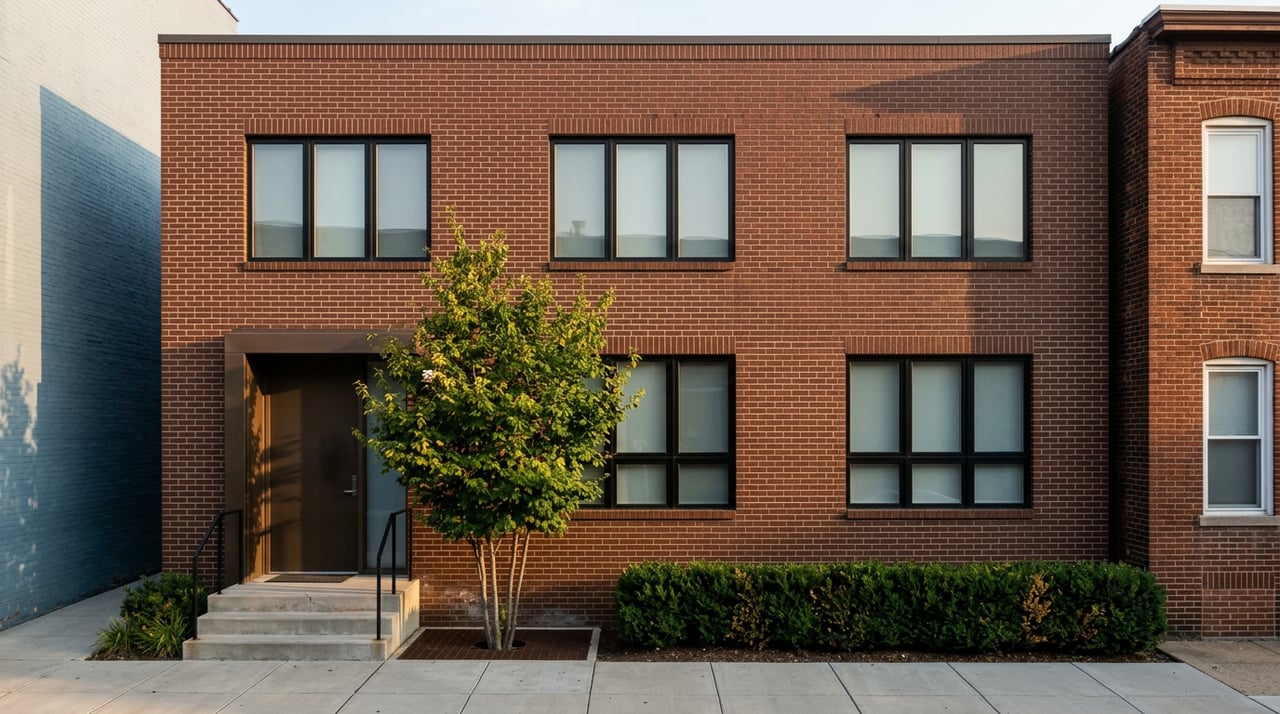
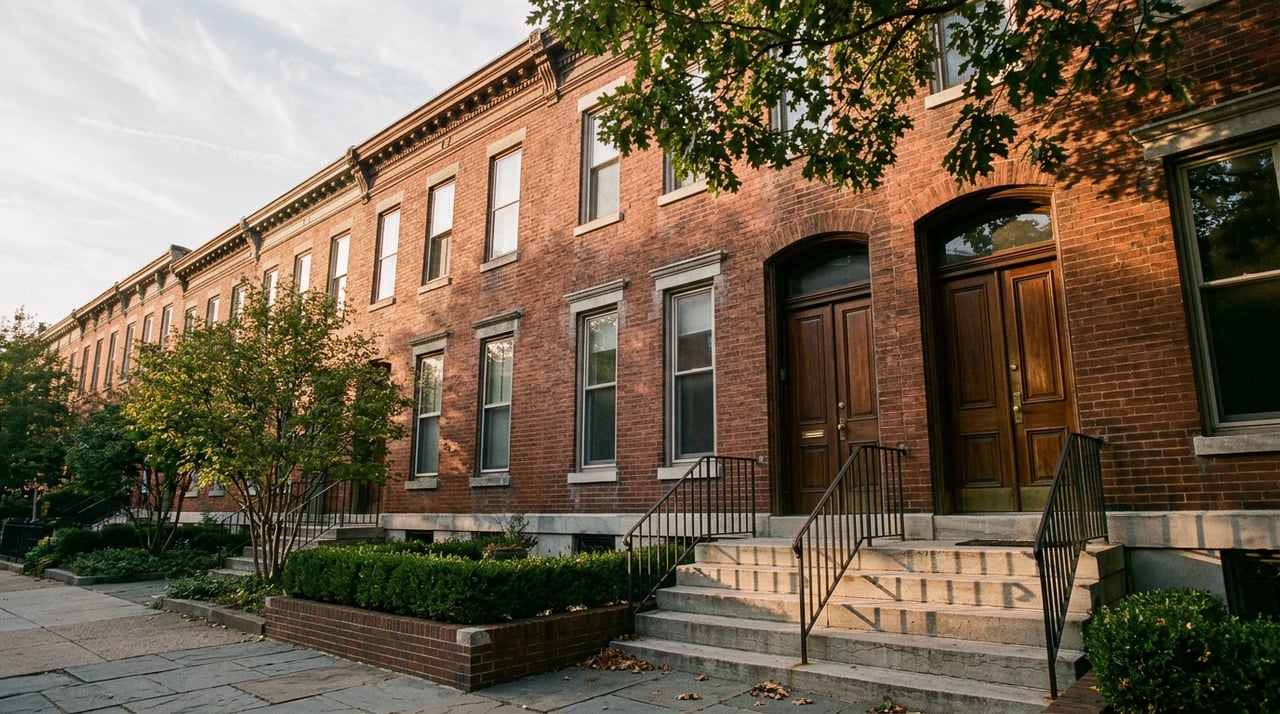
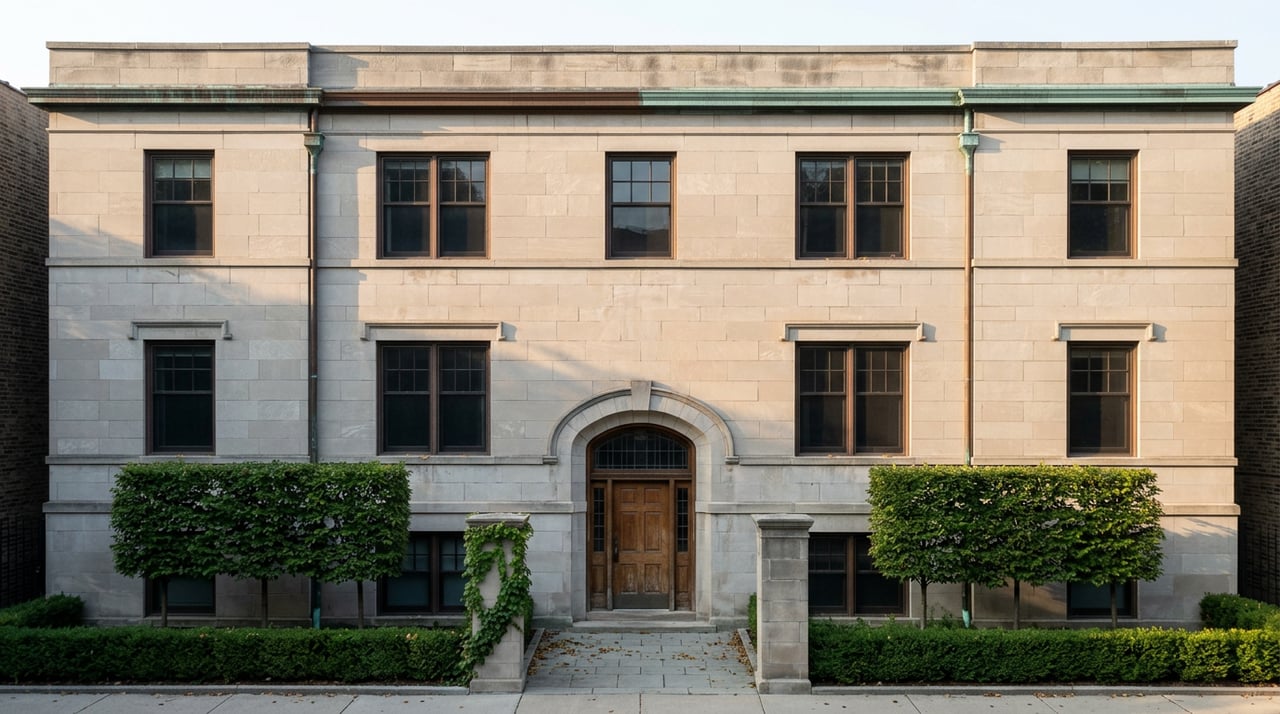
A modern new-construction home, a rehabbed historic property, and a smaller entry-level product may all perform differently even within the same broader Bronzeville label. Your pricing strategy should reflect what buyers are paying for that kind of property right now.
Where A Broker-Consultant Adds Value
If you are building for the first time, you do not just need data. You need help connecting city process, local market conditions, and buyer expectations.
That is where a broker-consultant can be especially helpful. In Bronzeville, that can include helping you think through site selection, coordinating project-facing communication, curating vendors, checking public status tools, shaping the resale plan, and preparing the finished property for market.
The technical and legal specifics still belong with your licensed architect, engineer, contractor, attorney, and financial professionals. But the market strategy side of the project should not be left until the very end.
A Smarter First Build Starts Earlier
In Bronzeville, first-time new construction success usually comes down to preparation. If you check zoning by parcel, screen permit and landmark issues early, verify your team, and stay realistic about approvals and closeout, you give yourself a much stronger foundation.
If you want guidance that connects the city process to the real market on the ground, Naja Morris can help you think through your next steps with a practical, local, and execution-focused approach.
FAQs
How do you know if a Bronzeville lot is buildable?
- Start by checking the exact parcel in the city’s zoning map by address, PIN, or intersection, then review permit history and any possible landmark considerations.
What does zoning tell you for a Bronzeville new construction project?
- Zoning helps show what the parcel may be allowed to become, which makes it a key first step before design, budgeting, or submitting for permits.
How long does a Chicago new construction permit usually take?
- Chicago’s Time to Permit dashboard showed 86 days total as of April 19, 2026, but actual timing can vary based on corrections, missing documents, and review path.
Why would Chicago ask for permit revisions on a new build?
- Revisions can happen because of open corrections, unresolved holds, missing documents, or plan issues identified during review.
When do inspections happen during a Chicago new construction build?
- Inspections are requested online during construction and are handled first-come, first-served unless an appointment is scheduled.
What can stop a Certificate of Occupancy in Chicago?
- A certificate cannot be issued if work is incomplete or deficiencies are found, and additional reinspections may also be required.
How should you price a new construction home in Bronzeville?
- Price should be based on current comparable sales and the specific product type, not on one neighborhood-wide headline number alone.
What does a broker-consultant do on a Bronzeville new construction project?
- A broker-consultant helps with market strategy, vendor coordination, project positioning, pricing direction, and listing preparation as the property moves toward occupancy.