Wondering if a small multifamily property in Washington Park could be your next smart move? If you are looking at a 2-flat, 3-flat, or 4-unit building here, the opportunity can be real, but so can the underwriting mistakes. This neighborhood rewards buyers who stay grounded in the numbers, understand vintage housing stock, and verify the details before they commit. Let’s dive in.
Why Washington Park draws small multifamily buyers
Washington Park stands out as a renter-heavy neighborhood with a housing stock that fits the classic small multifamily playbook. According to the April 2025 Local Housing Profile, 87.5% of occupied households are renter-occupied, and 24.2% of housing units are in 2-to-4-unit structures. That gives you a clear signal that small rental buildings are part of the neighborhood’s real housing fabric.
The same profile reports a 2022 median residential sales price of $192,000. It also found that 40.7% of sales were purchased by investor buyers, though that figure likely understates investor activity because it only counts purchases where a business entity appeared on the deed. In plain terms, you are not the only buyer looking at Washington Park for a small multifamily strategy.
What the housing stock means for your search
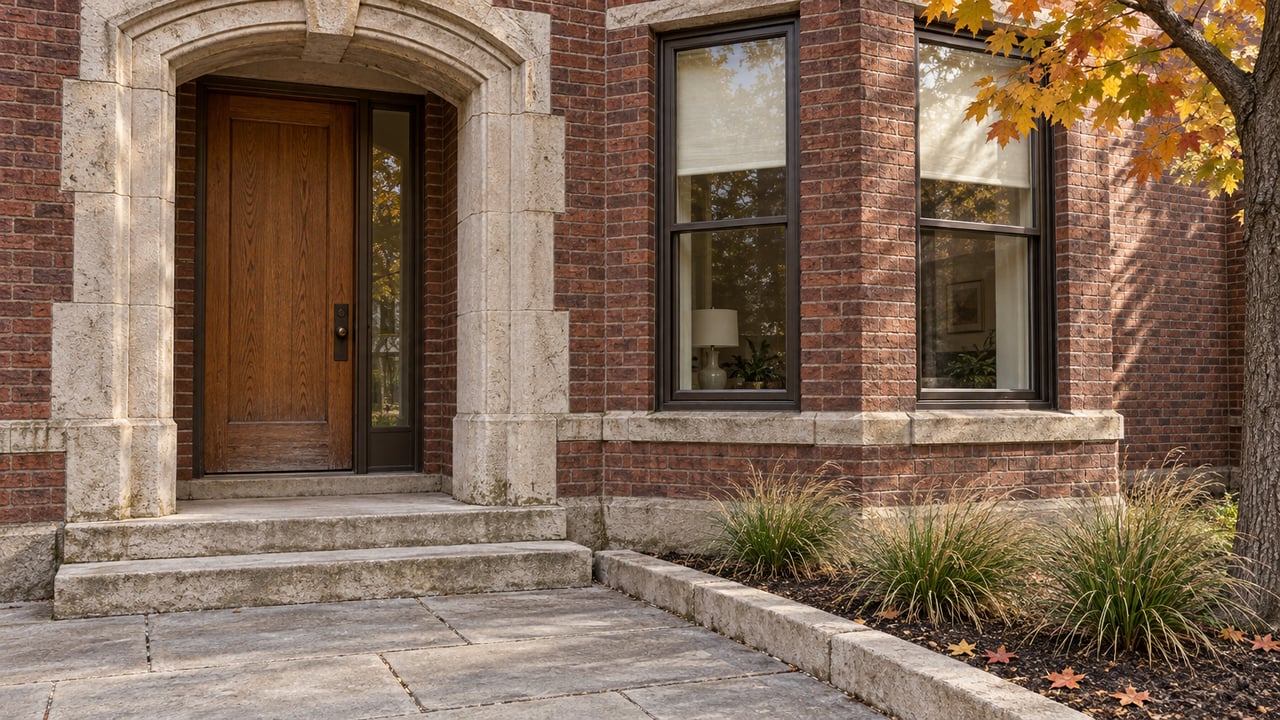
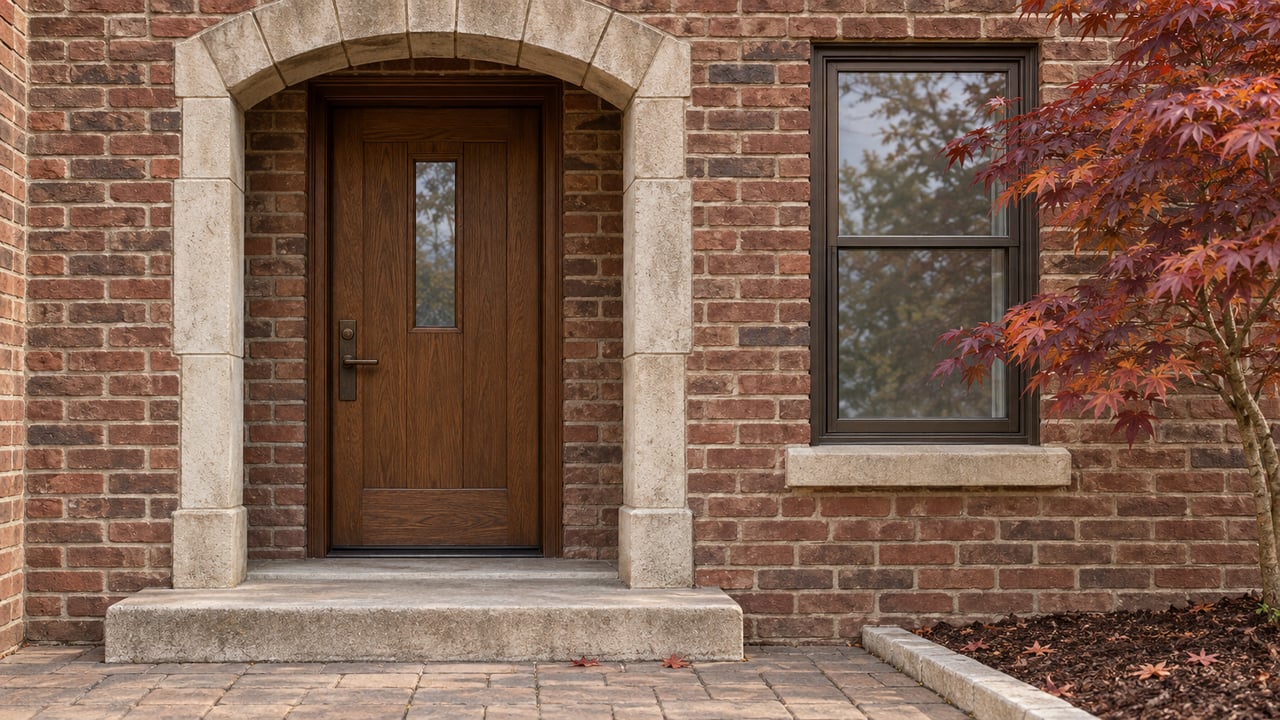
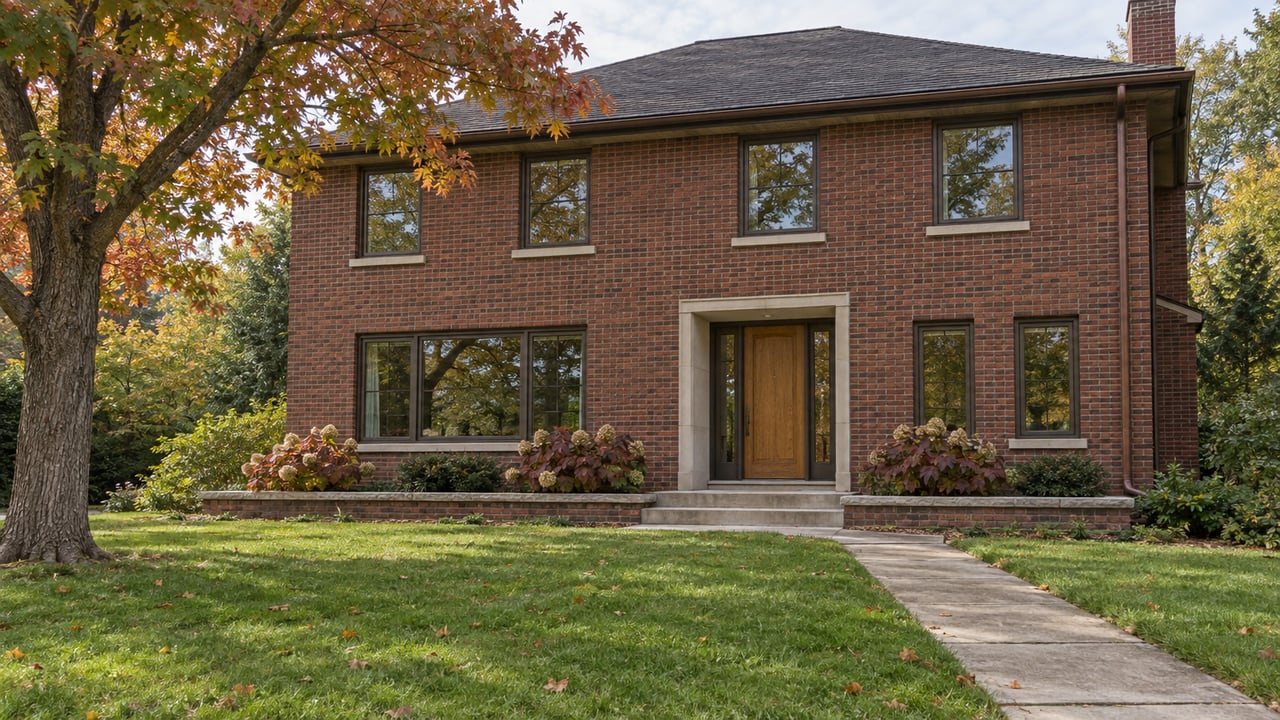
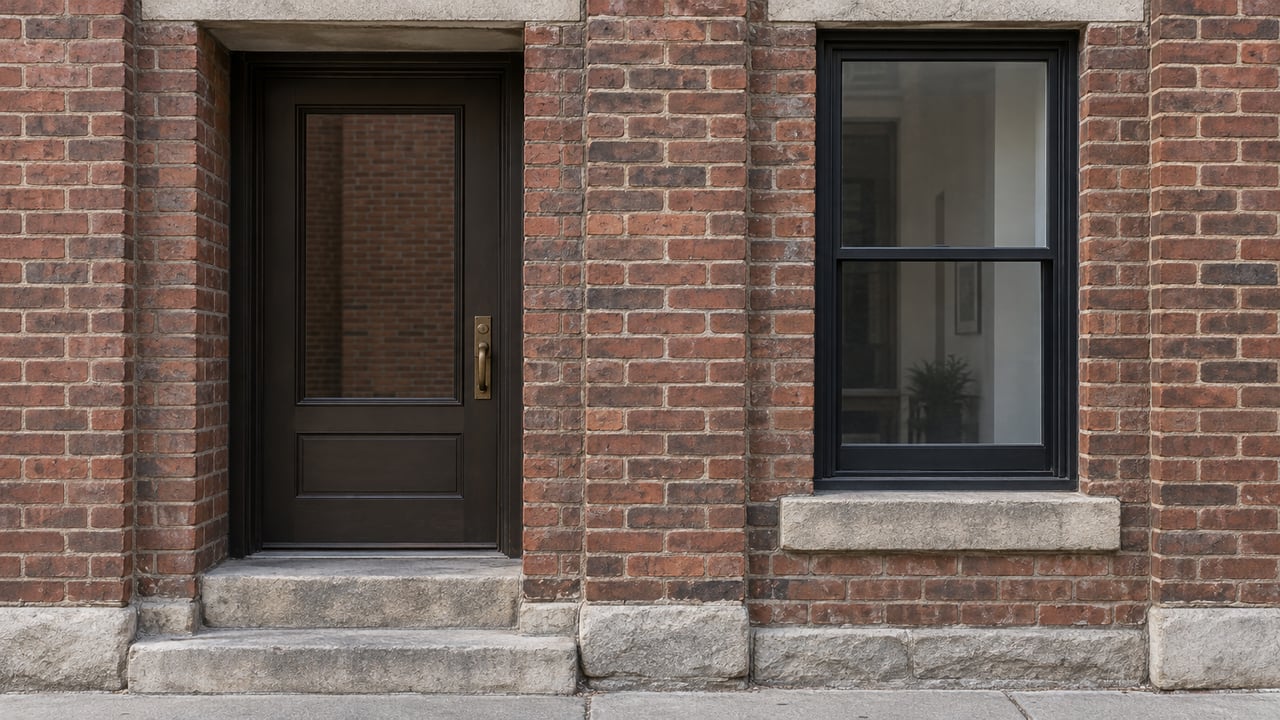
Washington Park has an older housing inventory, and that matters. The local profile reports that 36.8% of units were built before 1940, with a median year built of 1956. For you as a buyer, that usually means your deal analysis should focus less on flashy repositioning and more on the basics of older-building performance.
In many cases, the likely opportunity is not a dramatic reconfiguration. It is more often about cleaning up deferred maintenance, updating units, improving laundry or basement areas, replacing mechanicals, and addressing code-related issues. Those are practical takeaways based on the neighborhood’s age and structure mix, not a guarantee about any one building.
Likely unit layouts
The broader community snapshot shows that 2-bedroom units make up 34.1% of housing units and 3-bedroom units make up 33.5%, with a median of 4.9 rooms, according to CMAP’s Washington Park data snapshot. That suggests many small multifamily buildings here may follow a practical vintage flat layout rather than a studio-heavy setup.
For your underwriting, that means you should be ready to compare 2-bedroom and 3-bedroom rent potential first. It also means layout efficiency, bedroom count, and condition may matter more than trendy finishes alone.
Start with realistic rent assumptions
One of the biggest mistakes buyers make is forcing a rent story that does not match the local market. In Washington Park, the median renter household income is $29,115, and the median gross rent is $1,145, based on the Local Housing Profile. The same report notes that 41.2% of renter households are severely cost-burdened, which points to a price-sensitive renter base.
That does not mean rents cannot vary by block, condition, or unit size. It does mean you should avoid building your entire deal around aggressive rent growth without real support. In this neighborhood, disciplined rent assumptions matter.
Use HUD figures as a benchmark, not a shortcut
HUD’s FY2026 Small Area Fair Market Rent schedule lists ZIP code 60637 at $1,530 for a 2-bedroom, $1,970 for a 3-bedroom, and $2,280 for a 4-bedroom unit. These figures can be useful as a public benchmark.
Still, they are not a substitute for actual rent comps. SAFMR figures are used for voucher payment standards, so they can help frame the conversation, but your final rent case should be tested against the property’s exact location, size, condition, and amenities.
Watch your expenses as closely as your rents
In a small multifamily deal, expenses can undo a promising purchase just as fast as weak rent assumptions. The Washington Park profile reports a median monthly owner cost of $2,297 for mortgaged owner households, including property taxes, insurance, utilities, mortgage payment, and HOA fees where applicable. That is a useful reminder that carrying costs are not a side note.
Property taxes deserve special attention in Cook County. The county assessor states that residential property is usually assessed at 10% of market value, and Chicago’s 2024 reassessment increased total assessed value citywide. In practical terms, you should model a post-closing tax estimate rather than rely on the seller’s current tax bill.
Why tax estimates matter so much
A seller may have owned the property for years under a very different value basis. If you buy at a new price and improve the building, your tax picture may change. That can affect your monthly payment, your operating margin, and your renovation budget.
For Washington Park buyers, this is especially important because the neighborhood’s price points can make deals look attractive at first glance. A better underwriting model asks what the property will cost you after closing, not what it cost the current owner.
Financing usually stays in the 1-to-4-unit lane
If you are buying a 2-unit, 3-unit, or 4-unit building in Washington Park, your financing path will usually stay in the residential lending channel rather than commercial multifamily lending. Freddie Mac notes that its multifamily business finances properties with five or more units, which helps clarify where most small multifamily purchases fit.
For conventional investor financing, Freddie Mac’s current LTV guidance shows 2-to-4-unit investment properties at 75% LTV for purchase and 70% for cash-out refinance. Fannie Mae’s eligibility standards are consistent on the 75% purchase cap for most 2-to-4-unit investment scenarios.
FHA may help owner-occupants
If you plan to live in one unit, FHA can be part of the conversation. HUD states that FHA can insure 2-to-4-unit properties, and the minimum required investment is 3.5% in most cases if the property meets soundness, safety, and livability standards.
That can create a practical path for buyers who want to house hack. But it also means the property condition matters, especially in a neighborhood where older buildings can come with repair and code issues.
Rehab upside is real, but only if you verify the constraints
It is easy to look at an older building and imagine added value through expansion, layout changes, or major updates. In Washington Park, you should slow that thinking down and verify what is actually possible before you underwrite future upside.
The City of Chicago’s zoning map help page makes it clear that zoning is too specific to infer accurately at the neighborhood level. You should verify the address or PIN before assuming a 2-flat can be altered, expanded, or converted the way you want.
Landmark rules can change your rehab scope
Some properties may also be affected by landmark status. The city’s Washington Park Court landmark district page describes a designated district built from 1895 to 1905, and Chicago’s landmarks guidance says permit applications affecting significant historical and architectural features must be reviewed.
That is not necessarily a deal breaker. The city also lists possible preservation incentives, including reduced property tax assessments, income tax credits, technical assistance, and permit fee waivers. But it does mean your renovation timeline, design choices, and approvals may look different from a standard rehab.
What to review before you make an offer
A quick tour can tell you if a property is interesting. It cannot tell you if the numbers hold up. Before you buy, make sure you request and verify the items that directly affect income, expenses, and renovation risk.
First-tour checklist
- Rent roll and lease expiration dates
- Utility responsibility by unit and for common areas
- Last 12 months of actual operating expenses
- Tax bill history and a post-sale tax estimate
- Permit history for prior work
- Insurance quotes and any prior claims
- Zoning or PIN verification and landmark status check
- Deferred maintenance in basements, roofs, porches, masonry, and mechanical rooms
This checklist matters in Washington Park because the housing stock is older, investor activity is active, and rent levels leave less room for underwriting mistakes. Strong deals here often come from disciplined review, not optimistic assumptions.
A smart Washington Park buying strategy
If you are buying a small multifamily property in Washington Park, think like both a buyer and an operator. Look for a building with a layout that fits local demand, rent assumptions that match the block and condition, and a scope of work you can realistically complete. Then stress test taxes, repairs, and vacancy before you decide the deal works.
This is also where having local guidance matters. A property may look straightforward online, but the real questions often show up in permit history, tax modeling, zoning verification, and rehab planning. With the right support, you can move from “interesting listing” to a more confident acquisition plan.
If you want help evaluating a Washington Park 2-flat, 3-flat, or 4-unit opportunity, connect with Naja Morris for a consultation and access to local insight, investor guidance, and practical next steps.
FAQs
What makes Washington Park attractive for small multifamily buyers?
- Washington Park has a large renter base, a meaningful share of 2-to-4-unit housing, older building stock, and a history of investor activity, which makes it a neighborhood many buyers consider for small multifamily purchases.
What rents should you expect for a Washington Park multifamily property?
- The local housing profile reports a median gross rent of $1,145, while HUD’s 60637 SAFMR benchmark lists $1,530 for 2-bedroom units and $1,970 for 3-bedroom units, but you should still confirm rents using the subject property’s exact size, condition, and location.
What should you inspect first in an older Washington Park building?
- You should closely review deferred maintenance in the roof, basement, porches, masonry, and mechanical systems, along with permit history, leases, utility setup, and insurance and tax details.
What financing options apply to a 2-to-4-unit property in Washington Park?
- Conventional investor loans often cap purchase financing around 75% LTV for 2-to-4-unit investment properties, while FHA may allow eligible owner-occupants to buy with 3.5% down in many cases if the property meets required standards.
What due diligence matters most before buying in Washington Park?
- The most important items include verifying zoning by address or PIN, checking for landmark status, reviewing actual operating expenses, modeling post-sale taxes, and testing rent assumptions against the building’s true condition and layout.