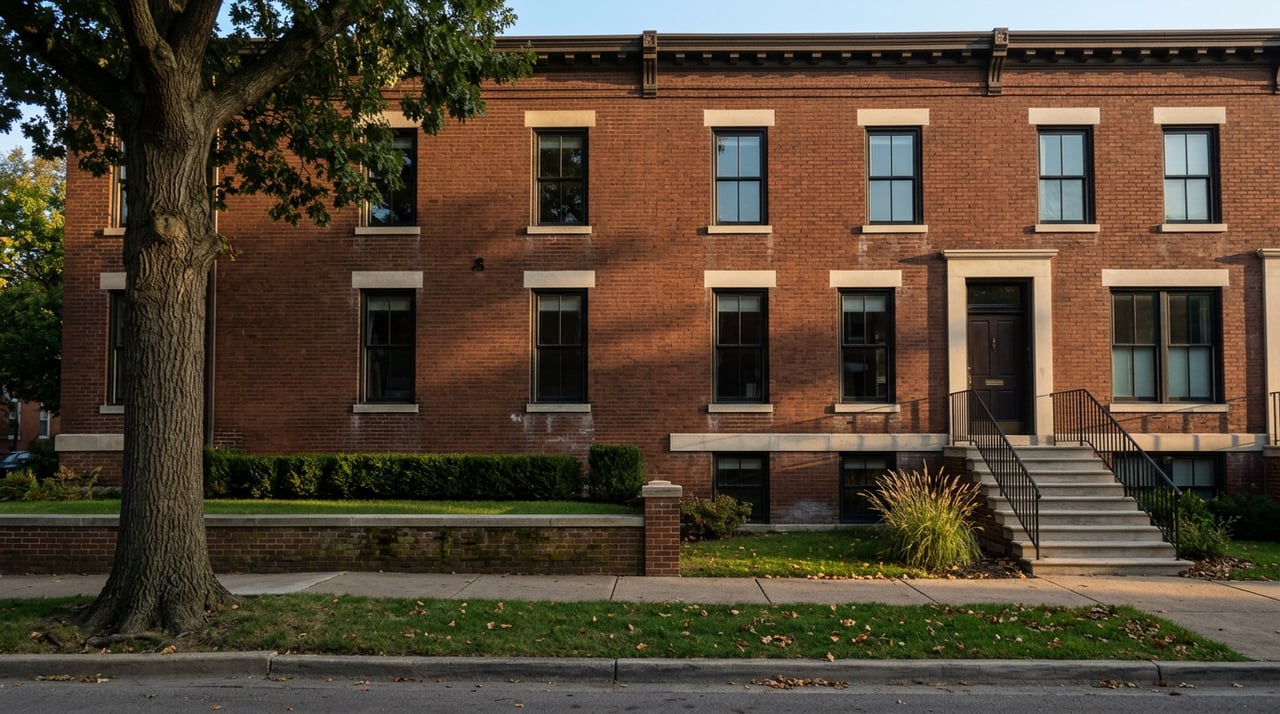
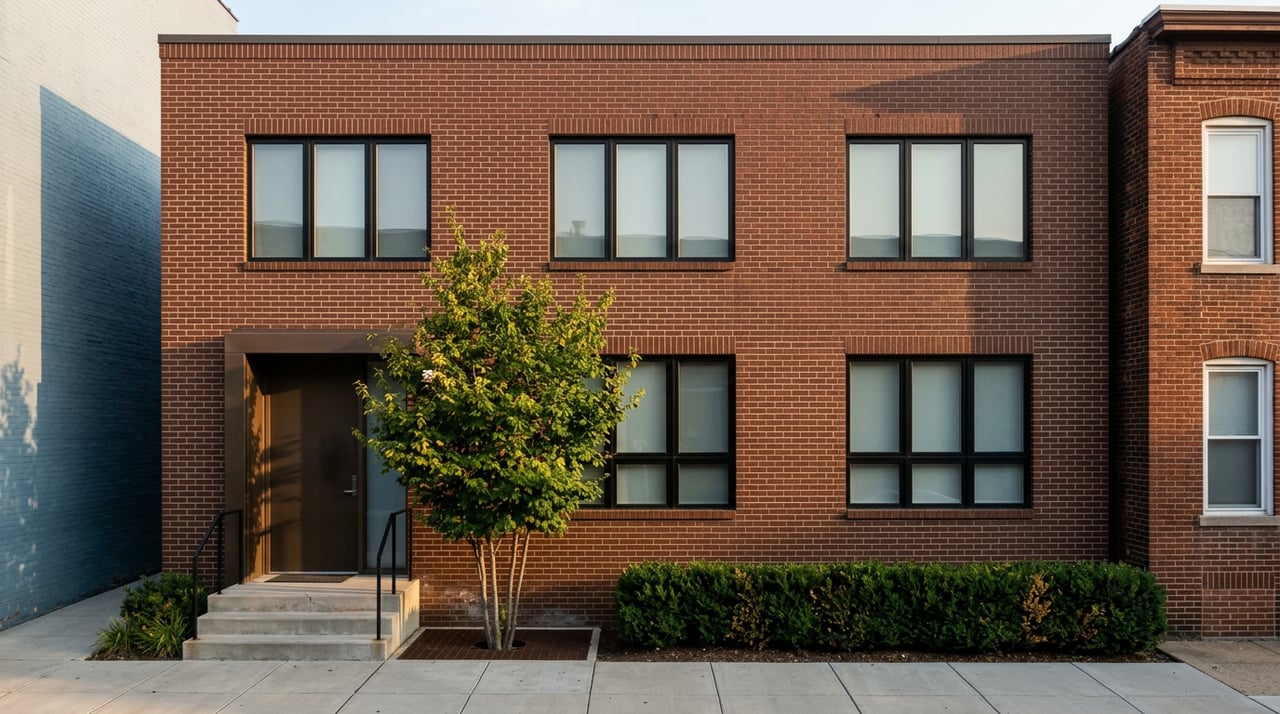
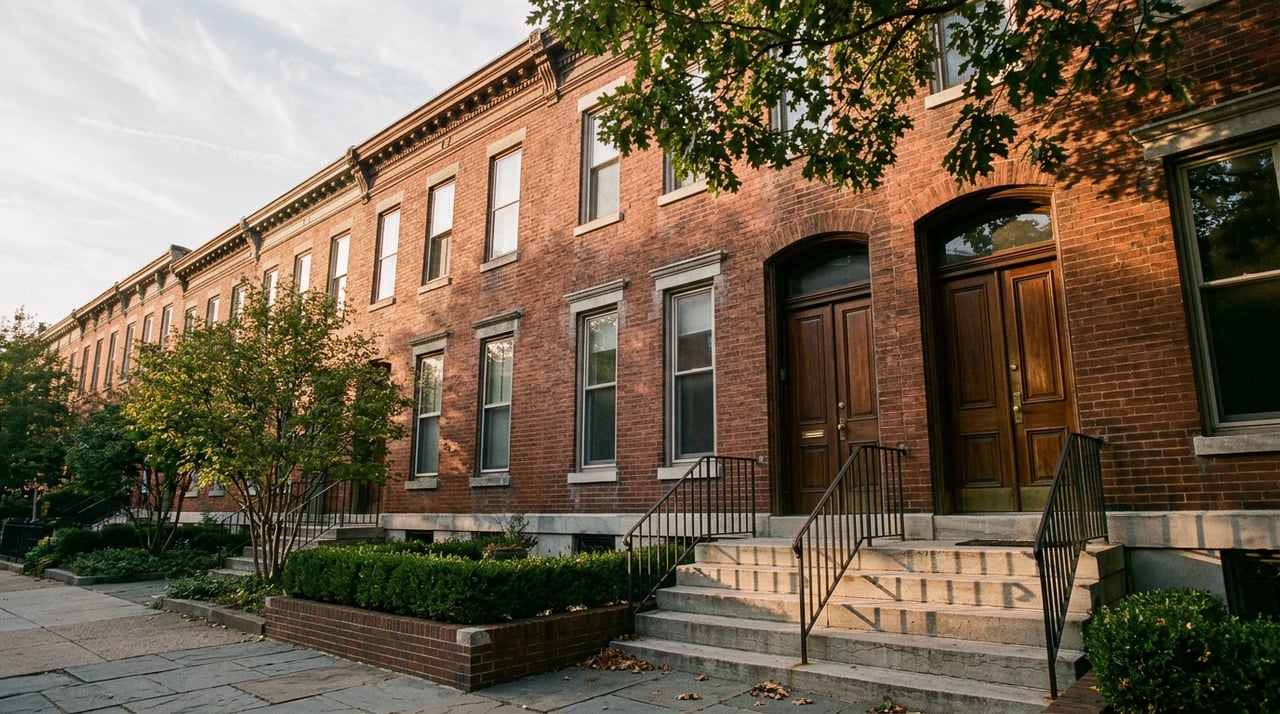
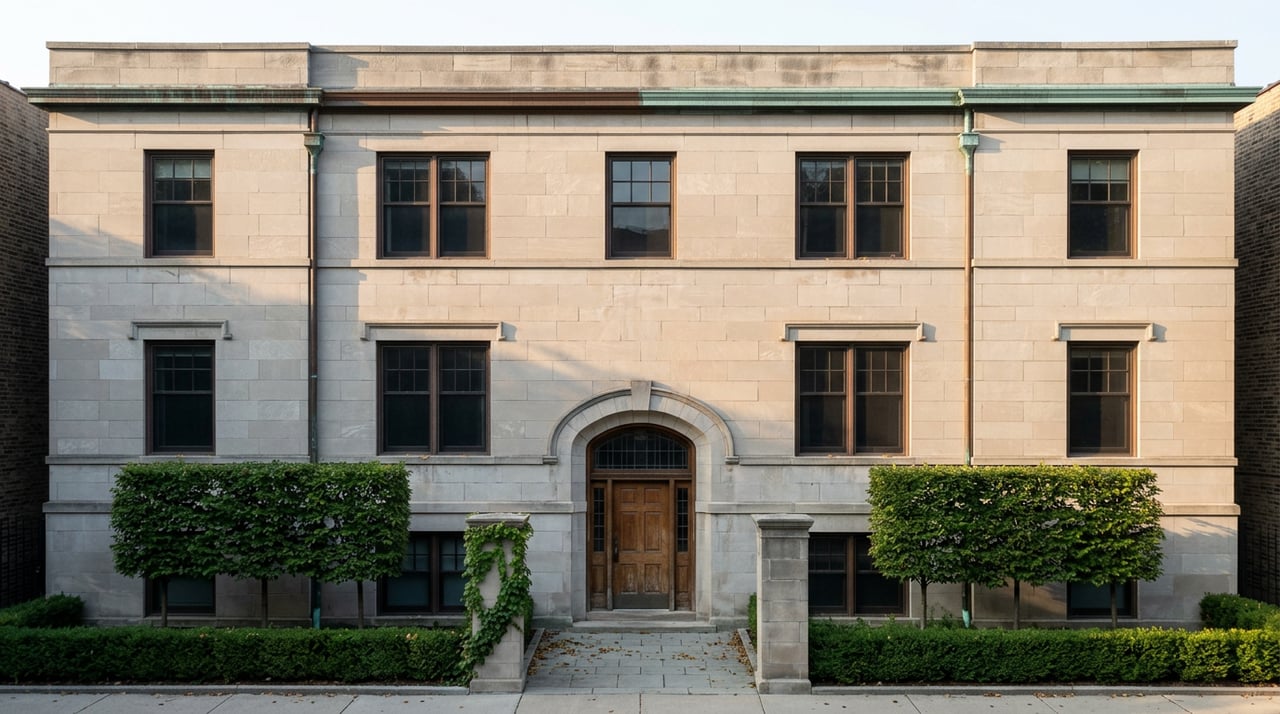
A landscaping contractor's calendar tells you something a market report can't. Malki Brown, who owns the commercial landscaping firm MGE Property Solutions, has spent the past several months getting signed for work on roughly three dozen vacant lots in Woodlawn. Property owners there are suddenly paying attention to sites they let sit for years, mowing and clearing in the run-up to the Obama Presidential Center's opening this past June. Cross into Washington Park, the community area just to the west, and the Rev. Richard Tolliver of St. Edmund's Redevelopment Corp describes a different scene: plenty of vacant property, and, in his words, room to grow.
That contrast shows up in the price data too, but not the way most people assume. Washington Park's median home price sat at $189,000 as of June 2026, down 10 percent from a year earlier. Meanwhile Woodlawn, on the other side of that same boundary, has been documented by DePaul University's Institute for Housing Studies as posting spikes in multifamily property values, the kind of appreciation that tends to follow when investors decide a neighborhood's moment has arrived.
If you're comparing these two neighborhoods on a spreadsheet right now, the instinct is to read Washington Park's falling median as a warning sign and Woodlawn's rising values as the safer bet. The instinct is wrong, or at least incomplete. The falling number in Washington Park isn't measuring what you think it's measuring, and the boundary between the two neighborhoods has started to carry legal weight that changes the math for anyone buying multifamily property on either side of it.
What a Falling Median Actually Requires
A median needs volume to mean much. Washington Park had seven houses for sale at the time that $189,000 figure was recorded, with prices across the active listings ranging from $61,500 to $779,999. That's not a market with a stable center. That's a handful of transactions spread across a spectrum wide enough to include a distressed rehab candidate and a five-bedroom new construction home with a rooftop deck in the same data set.
The average sale price for the same period came in at $204,300, higher than the median. When the average sits above the median, it usually means a cluster of lower-priced sales is dragging the middle of the distribution down while a smaller number of higher-priced sales pull the average up from the top. That's a composition story, not a value story. It says more about which seven homes happened to close than about what a comparable home is worth this year versus last.
The demand signal, if anything, points the other direction. Homes in Washington Park were selling in an average of 46 days, faster than the national average of 58 days. A neighborhood losing value typically shows the opposite pattern: homes sitting longer as sellers slowly adjust expectations downward. Fast turnover paired with a wide price spread looks less like a cooling market and more like a thin one, where a single unusual sale can swing the median by double digits without anyone's home actually being worth less.
The Boundary That Comes With a Different Rulebook
While Washington Park's redevelopment engine idles, Woodlawn and South Shore got a new piece of machinery installed this spring. An ordinance known as the Jackson Park Housing Pilot Program took effect across parts of both neighborhoods, and it specifically targets the kind of large-scale multifamily buying that has been reshaping Woodlawn's market. Under the rule, landlords of buildings with ten or more units have to notify tenants before a sale and then wait 180 days, giving residents time to organize, make a competing offer, and try to line up acquisition financing. The ordinance also requires landlords to show just cause for evictions while a property is actively listed.
That single boundary line matters more than it looks like it should. An investor eyeing a 12-unit building in Woodlawn now has to build a six-month tenant notification window into their underwriting. The same investor looking at a comparable building in Washington Park does not, because the pilot program's boundaries run along Woodlawn and South Shore, not west into Washington Park. Two buildings that might look identical on a rent roll now carry different transaction timelines and different legal exposure, purely based on which side of the community area line they sit on.
| Washington Park | Woodlawn | |
|---|---|---|
| Reported median price direction | Down about 10% year over year (as of June 2026) | Multifamily values reported up, per DePaul's Institute for Housing Studies |
| Investor lot activity | Described as having a formidable amount of vacant property still waiting | Landscaping crews actively clearing dozens of vacant lots ahead of resale or development |
| Tenant protection rule | Not covered by the Jackson Park Housing Pilot Program | 180-day notice and tenant right of first refusal on 10+ unit building sales (in effect since spring 2026) |
| Redevelopment infrastructure | 988-acre TIF district targeting roughly 120 acres of vacant land, plus city ChiBlockBuilder vacant lot sales | Driven largely by private investor purchases near the Obama Presidential Center |
Room to Grow, If the Capital Shows Up
Tolliver's read on his own neighborhood is worth sitting with, because his organization has been doing the work rather than watching from outside it. St. Edmund's Redevelopment Corp grew out of St. Edmund's Episcopal Church and has put more than $100 million into 34 buildings in Washington Park since 1990.
"You don't want to see people forced out. You do want to see investment. There's still a formidable amount of vacant property there. There's room to grow."
That's not a complaint about the neighborhood being overlooked. It's a description of a market that hasn't yet had its capital moment, sitting directly next to one that is having its capital moment right now. The Obama Presidential Center is close enough to both neighborhoods that proximity alone doesn't explain the divergence. Something about where the money is choosing to land does.
The Redevelopment Tools Already Sitting There
Part of the answer is that Washington Park already has the infrastructure for a turnaround. It just hasn't been activated at the pace Woodlawn's private market has. The Washington Park Tax Increment Financing district covers 988 acres across Washington Park, Grand Boulevard, and Greater Grand Crossing, was designated in 2014, and runs through 2038. Its stated goal includes redeveloping an estimated 120 acres of vacant land within its boundaries, alongside supporting rehab of existing structures and improving public infrastructure.
On top of the TIF, the city's ChiBlockBuilder program offers a direct path for turning vacant lots into buildable parcels, with eligibility open to adjacent homeowners, non-profits, business owners, and developers depending on the site. As of the most recent refresh this spring, the program had 375 properties available through this channel citywide, a meaningful share of them in areas like Washington Park where vacant land has been sitting the longest.
None of that guarantees Washington Park follows Woodlawn's trajectory. But it means the tools for that kind of shift already exist on the books. What's been missing is the same wave of buyer attention that's currently clearing lots and lifting multifamily values one boundary over.
What This Means If You're Comparing the Two Right Now
If you're weighing Washington Park against Woodlawn, the median price gap tells you less than it appears to. A thin market with a wide price spread can produce a scary-looking year over year number without a single comparable home losing value. What actually separates the two neighborhoods right now is the presence or absence of investor attention, and the presence or absence of a tenant notification rule that adds real time and complexity to multifamily deals.
For an owner-occupant buyer, that boundary line mostly changes the competition you'll face for a given block, not the legal process of your purchase. For anyone looking at a multifamily building with an eye toward renovation or resale, the difference is material. A ten-plus unit building in Woodlawn now comes with a 180-day clock attached to any sale. The same building type in Washington Park doesn't, at least not yet, which is part of why capital that's willing to wait out that clock in Woodlawn might find Washington Park's TIF-backed vacant lots and ChiBlockBuilder inventory a faster, less encumbered way in.
A couple of questions worth asking before you compare the two
Does a falling median in Washington Park mean home values are actually dropping? Not necessarily. With only a handful of sales driving the number and a price range spanning over $700,000 between the cheapest and priciest listings, the median is more sensitive to which specific homes happened to sell than to any broad shift in value. The faster than average time on market, 46 days versus a 58-day national average, is not what you'd expect to see if buyer demand were actually weakening.
If I buy a multifamily building in Washington Park, does the Jackson Park Housing Pilot Program apply to me? As of this spring, the ordinance's tenant notification and right of first refusal rules cover parts of Woodlawn and South Shore. Washington Park sits outside that boundary, though anyone considering a multifamily purchase should confirm current parcel-level coverage before assuming either way, since these boundaries can be adjusted by the city.
Numbers like these change how a deal should be structured, not just how a market should be read. If you're weighing a purchase near this boundary, whether it's a single family home, a small multifamily building, or a vacant lot with TIF eligibility, it's worth walking through the specifics with someone who tracks this corridor closely. Naja Morris works this stretch of the South Side every week and can help you figure out which side of these lines your next deal actually falls on. Reach out to get access to her private listings or schedule a consultation.