Wondering what you actually get when you buy in Washington Park? That is the right question, because this is not a one-size-fits-all neighborhood. If you are considering a home here, you need a clear picture of the housing stock, the renovation realities, and the tradeoffs that come with older Chicago inventory. This guide will help you understand what to expect so you can shop smarter and make decisions with confidence. Let’s dive in.
Washington Park housing at a glance
Washington Park stands out as an older, multifamily-heavy housing market on Chicago’s South Side. CMAP’s latest profile shows that 73.5% of units are in buildings with 5 or more units, while only 6.9% are single-family homes. The same profile shows 86.9% renter occupancy, 13.1% owner occupancy, and a 13.3% vacancy rate.
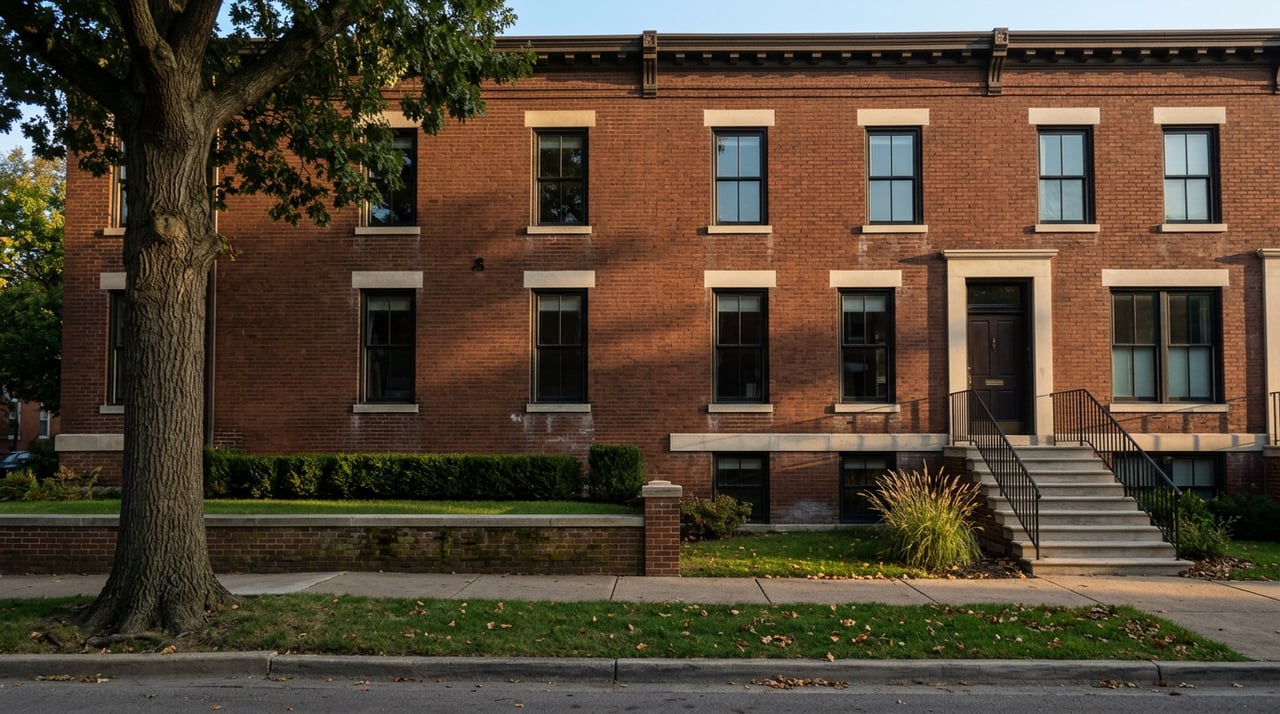
That mix matters if you are planning to buy here. In many cases, you are not choosing between dozens of detached homes on quiet residential blocks. More often, you are comparing older masonry buildings, smaller multifamily properties, and units in larger residential buildings, with block-by-block differences that can change the feel and long-term potential of a purchase.
What kinds of homes you will find
Single-family homes are limited
Single-family inventory is a small part of the Washington Park market. The current housing profile shows 4.4% single-family detached and 2.5% single-family attached housing, which means buyers looking for a more traditional house setup may have fewer options.
If you want a private yard, more separation from neighbors, or a layout that feels closer to a suburban home, you may need patience. Inventory is simply tighter in this category, and the homes that do come up may require you to compromise on condition, lot layout, or renovation needs.
Small multifamily is a natural fit
Washington Park has a meaningful share of 2-unit, 3-unit, and 4-unit buildings. CMAP data shows 5.1% of units in 2-unit buildings and 14.4% in 3-4 unit buildings, which makes small multifamily one of the neighborhood’s more practical ownership paths.
If you are open to living in one unit and renting others, or you want more flexibility from your purchase, this housing type can make a lot of sense. The tradeoff is that ownership usually involves more decision-making, more maintenance planning, and a better understanding of rehab costs than a simpler turnkey purchase.
Larger buildings dominate the landscape
Washington Park is heavily shaped by midsize and larger multifamily buildings. The neighborhood profile shows 36.3% of units in 5-9 unit buildings, 7.4% in 10-19 unit buildings, and 29.9% in 20+ unit buildings.
For buyers, that means the neighborhood often functions differently from areas where detached homes dominate. You are more likely to encounter condo-style ownership, renter-heavy buildings, and product types where building condition and management structure matter just as much as the unit itself.
How much space can you expect?
The neighborhood offers a solid amount of 2-bedroom and 3-bedroom housing. According to CMAP, 35.6% of units are 2-bedroom and 33.6% are 3-bedroom, while 22.0% are 0-1 bedroom units.
That is useful if you want functional everyday space without stepping into a very large property. At the same time, only 8.8% of units have 4 or more bedrooms, so if you need a larger home footprint, your search may be narrower and your tradeoffs may increase.
In practical terms, Washington Park can offer room, but often not in the form buyers first imagine. Instead of a big detached house, space may come through an older flat building, a wider rehab scope, or a property with expansion potential tied to lot configuration.
Why age matters in Washington Park
A big part of buying here is understanding the age of the housing stock. CMAP reports that 39.1% of units were built before 1940, another 23.9% were built between 1940 and 1969, and the median year built is 1950.
That does not automatically mean every property is a heavy rehab. It does mean you should approach showings with a more renovation-aware mindset. In many cases, the value story in Washington Park is tied to older buildings with improvement potential, not newer inventory with low-maintenance finishes.
Masonry condition deserves close attention
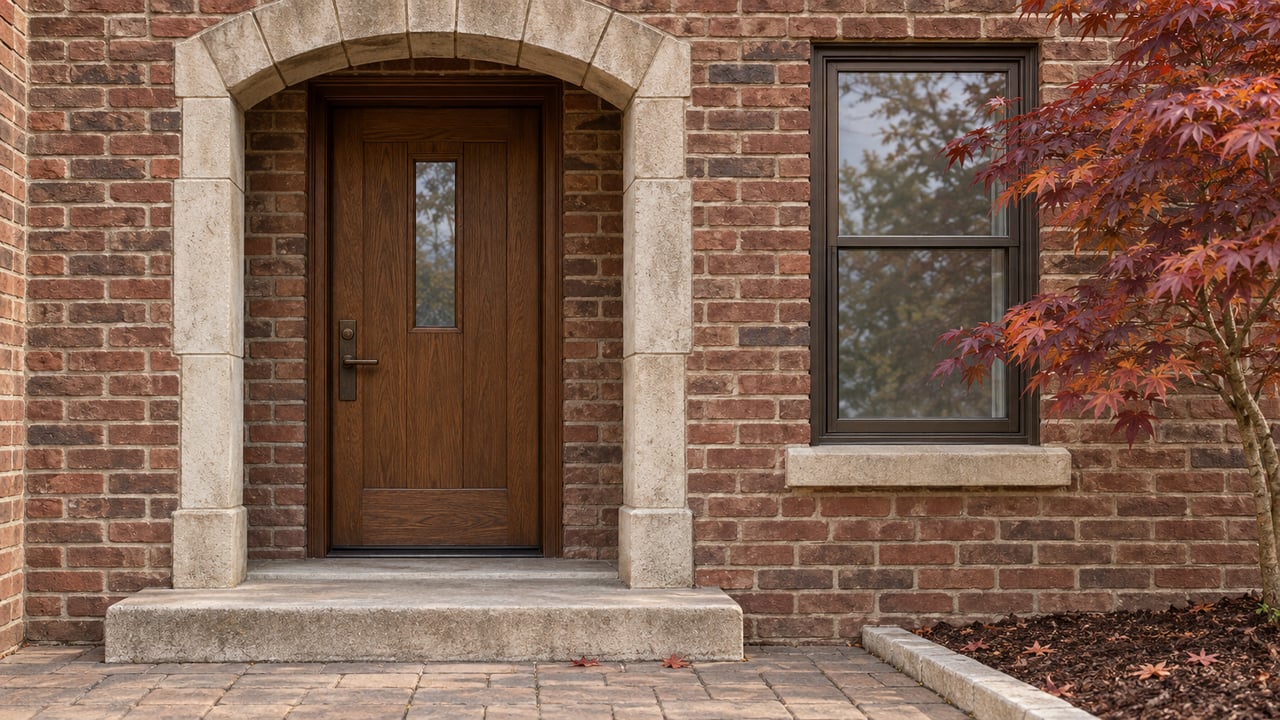
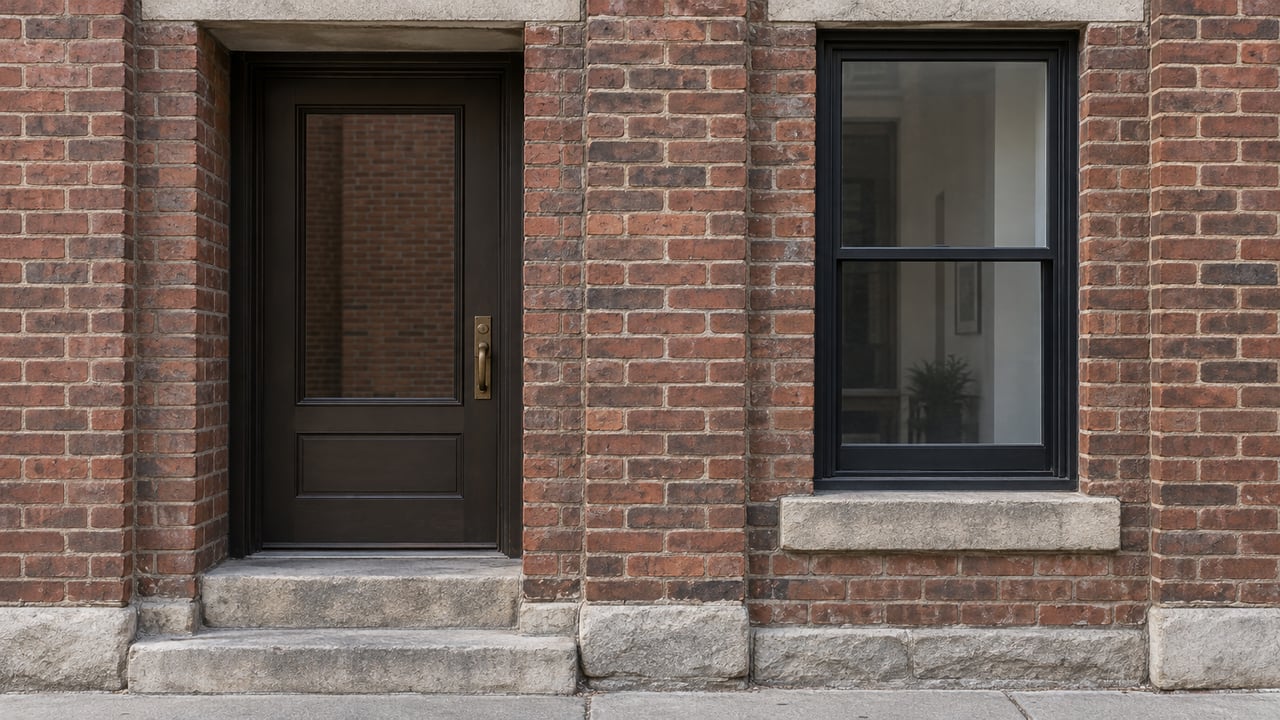
A 2019 parcel survey found that 66% of structures were brick and 17% were greystone. That matters because exterior masonry is not just a style feature here. It is a core part of the property’s condition and future maintenance picture.
Historic Chicago Greystone guidance notes common issues in older buildings such as damaged limestone and brick, roof leaks, deteriorated porches, aging chimneys, worn windows and doors, and outdated plumbing, electrical, and heating systems. For a buyer, this means your inspection mindset should go beyond cosmetic updates and focus on the building envelope and major systems.
Vacancy creates both opportunity and risk
Washington Park’s vacancy rate is part of the neighborhood story. CMAP puts housing vacancy at 13.3%, and the 2019 parcel survey identified 1,175 vacant lot parcels across about 163 acres.
That same survey found that 67% of vacant lots were unmaintained and 42% showed dumping. Some blocks had more vacant parcels than built parcels, which tells you something important: your experience can vary a lot depending on the exact block and the condition of nearby parcels.
This is one of the clearest tradeoffs in Washington Park. You may find space-for-price and value-add potential that is harder to find in more stabilized areas, but you also need to assess the immediate surroundings carefully because resale confidence and day-to-day livability can shift from block to block.
Tradeoffs by buyer type
If you want a classic house setup
If your goal is a detached home with more privacy and less shared-wall living, Washington Park may feel inventory-constrained. Single-family homes are a small slice of the market, so you may need to move quickly when the right property appears or widen your search criteria.
That does not make the neighborhood a bad fit. It simply means your expectations should match the available product. In Washington Park, the better opportunity may be a solid older property with room for improvement rather than a polished turnkey house.
If you want house hacking potential
This neighborhood naturally supports buyers who are open to small multifamily ownership. Two- to four-unit buildings can offer usable space and income potential in a format that fits the local housing stock.
The tradeoff is operational. You will likely need stronger due diligence, a realistic repair budget, and a plan for ongoing upkeep if you want the numbers and the living experience to work in your favor.
If you want low-maintenance living
Buyers seeking the simplest ownership path should pay extra attention to building condition, deferred maintenance, and the broader block context. Older inventory and renter-heavy surroundings can mean more variation in upkeep from property to property.
That does not rule out a good purchase. It just means convenience is not the default story here. In Washington Park, buying well often comes from careful evaluation rather than assuming all inventory will perform the same way.
Due diligence questions to ask
Buying in Washington Park usually rewards buyers who ask sharper questions early. Here are a few that matter most during showings and inspections:
- What is the lot size and shape, and how does that affect parking, yard space, or future expansion?
- Was the home built before 1978, and has the seller provided lead disclosure and any related records?
- What exterior work appears most urgent, especially for brick, limestone, roofing, porches, chimneys, windows, and doors?
- Are the plumbing, electrical, and heating systems updated, or should you budget for major work?
- Is the property located in a designated landmark district where permit review may apply?
- What is happening on the surrounding blocks, including vacant lots, boarded structures, or under-maintained parcels?
These questions can help you separate a manageable project from a costly surprise. In a neighborhood with older masonry stock and uneven parcel conditions, details matter.
Landmark and permit issues to keep in mind
Some Washington Park properties may involve added review if they sit in a designated landmark district. The City of Chicago states that the Commission on Chicago Landmarks reviews permit applications for landmarks and landmark districts when work may affect significant historic or architectural features.
That is especially relevant if you are planning exterior changes. The Washington Park Court District is an officially designated landmark district, so buyers considering properties there should understand that renovation timelines and design choices may involve additional review.
Lead-safe renovation should stay on your radar
Because so much of the neighborhood’s housing predates 1940, lead-safe due diligence is highly relevant. Buyers and renters of most homes built before 1978 have the right to know about known lead-based paint hazards before signing, and the Illinois Department of Public Health says about 53% of Illinois homes built before 1978 contain some lead-based paint.
If you plan to renovate, this is not a minor detail. Renovation work can disturb lead dust, so buyers should factor lead-safe planning into both budget and timeline when evaluating older homes in Washington Park.
How Washington Park compares nearby
Washington Park is not the same as Hyde Park, Kenwood, Grand Boulevard, or Woodlawn, even though buyers often compare them. The nearby data suggests Washington Park sits more on the transition side of the near-south market.
Compared with Hyde Park, Washington Park has a higher vacancy rate and less overall stabilization. Compared with Grand Boulevard and Kenwood, it is more renter-heavy and older. Compared with Woodlawn, it has a heavier concentration of 5+ unit buildings, which means buyers specifically focused on 2-4 flats may find a somewhat different mix there.
The takeaway is simple. In Washington Park, building condition and exact block selection often matter more than the neighborhood name alone.
The bottom line for buyers
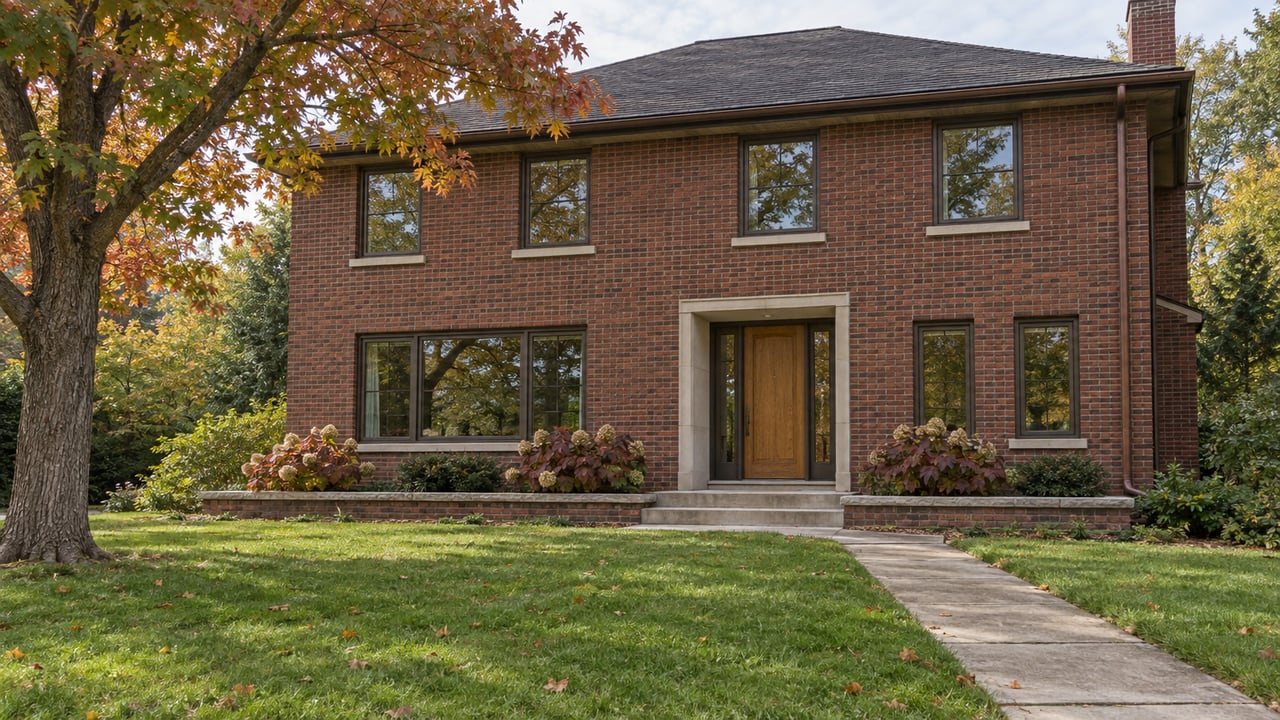
Washington Park can make sense if you see opportunity in older masonry housing, selective rehab, and product types that reflect Chicago’s classic multifamily fabric. The neighborhood’s upside usually comes from value-add potential, not from expecting a broadly turnkey housing supply.
The tradeoff is just as clear. You may gain more space-for-price or a more flexible ownership path, but you also take on more responsibility around inspections, renovation planning, block analysis, and long-term upkeep. If you go in with clear expectations, Washington Park can be a market where careful buyers make smart moves.
If you want help evaluating Washington Park homes, comparing block-level tradeoffs, or planning around rehab potential, Naja Morris can help you move with clarity and confidence.
FAQs
What type of housing is most common in Washington Park?
- Washington Park is dominated by multifamily housing, with 73.5% of units in buildings with 5 or more units and only 6.9% in single-family homes.
Are there many single-family homes in Washington Park?
- No. Single-family detached and attached homes make up a relatively small share of the neighborhood’s housing stock, so buyers looking for that setup may have fewer choices.
Is Washington Park a good place to buy a 2-flat or 4-flat?
- It can be a strong fit if you want small multifamily ownership, since 2-unit and 3-4 unit buildings are a meaningful part of the local housing mix.
What are the biggest tradeoffs when buying in Washington Park?
- The main tradeoff is potential versus condition. You may find more value-add opportunity and space-for-price, but you also need to be more careful about renovation needs, vacancy nearby, and block-by-block differences.
Why does block-by-block analysis matter in Washington Park?
- Parcel conditions are uneven across the neighborhood, and nearby vacant lots or under-maintained properties can affect daily experience, resale confidence, and how a block feels over time.
Should buyers expect older homes in Washington Park?
- Yes. A large share of the housing stock was built before 1940, and the neighborhood’s median year built is 1950, so many properties require a more rehab-aware approach.
Do landmark rules affect some Washington Park properties?
- Yes. Properties in designated landmark districts may be subject to permit review by the City of Chicago for work affecting significant historic or architectural features.
Is lead-based paint a concern in Washington Park homes?
- It can be, especially in older properties. Because much of the housing stock predates 1978, buyers should take lead disclosure and lead-safe renovation planning seriously.