Curious what day-to-day life in Bronzeville really feels like? If you are thinking about renting, buying, or investing here, it helps to look past the name and picture the routine: the kind of housing you will see, how people get around, and where culture shows up in ordinary moments. This guide walks you through what everyday living in Bronzeville can look like, so you can decide whether it fits the way you want to live. Let’s dive in.
Bronzeville Is a Cultural District
Bronzeville is best understood as a cultural district, not one fixed neighborhood boundary. The area is closely tied to parts of Douglas, Oakland, Grand Boulevard, and Kenwood, with Bronzeville also described as a wider South Side corridor with multiple historic nodes.
That matters when you are researching housing or commute patterns. For everyday facts like housing mix and transit habits, Douglas and Grand Boulevard are the clearest data anchors, while the broader Bronzeville identity shows up through landmarks, business corridors, arts spaces, and community events.
Chicago also recognizes Bronzeville as a major site in African American urban history. The Black Metropolis District became a Chicago Landmark in 1998 and preserves nine structures tied to the area’s history as a center of Black business and civic life.
Housing in Bronzeville
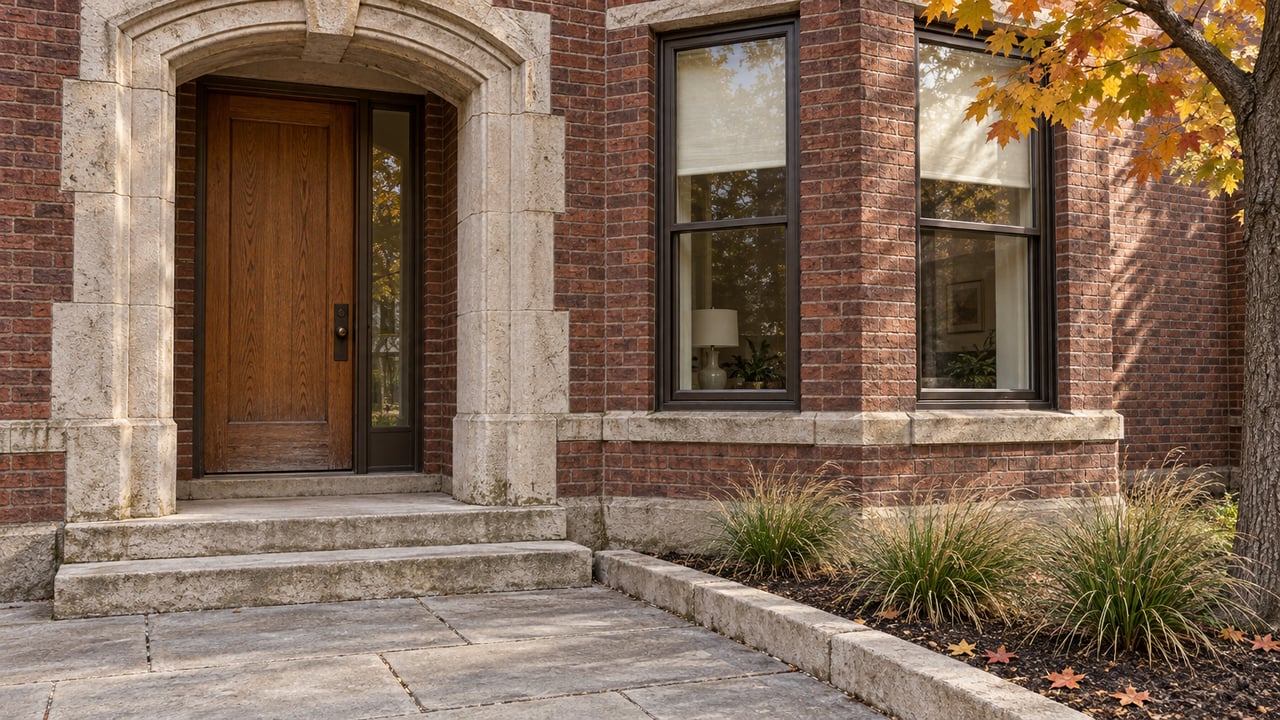
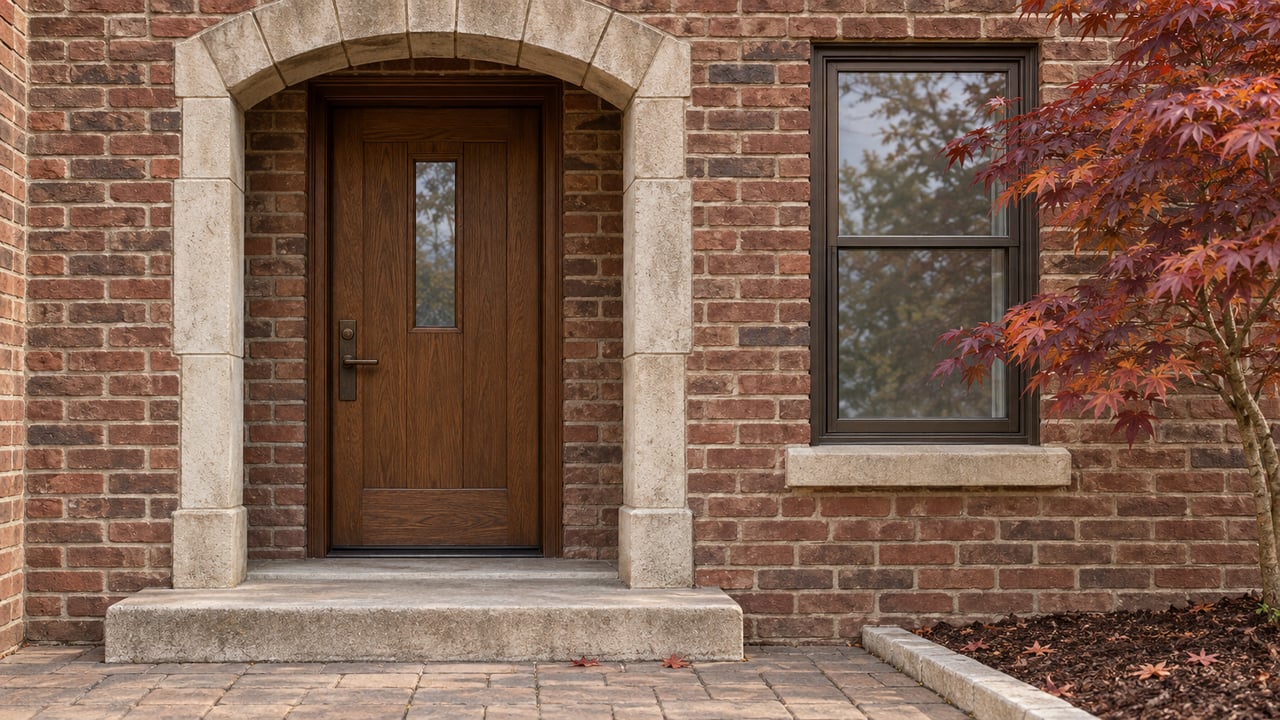
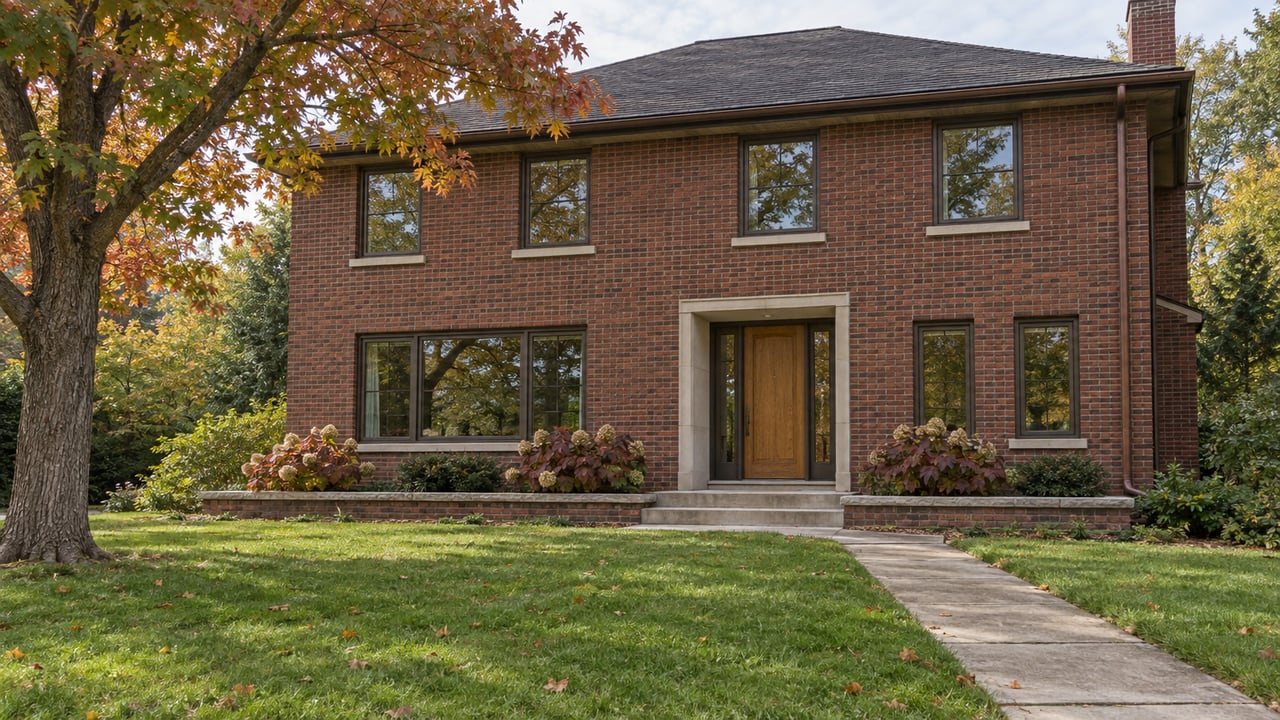
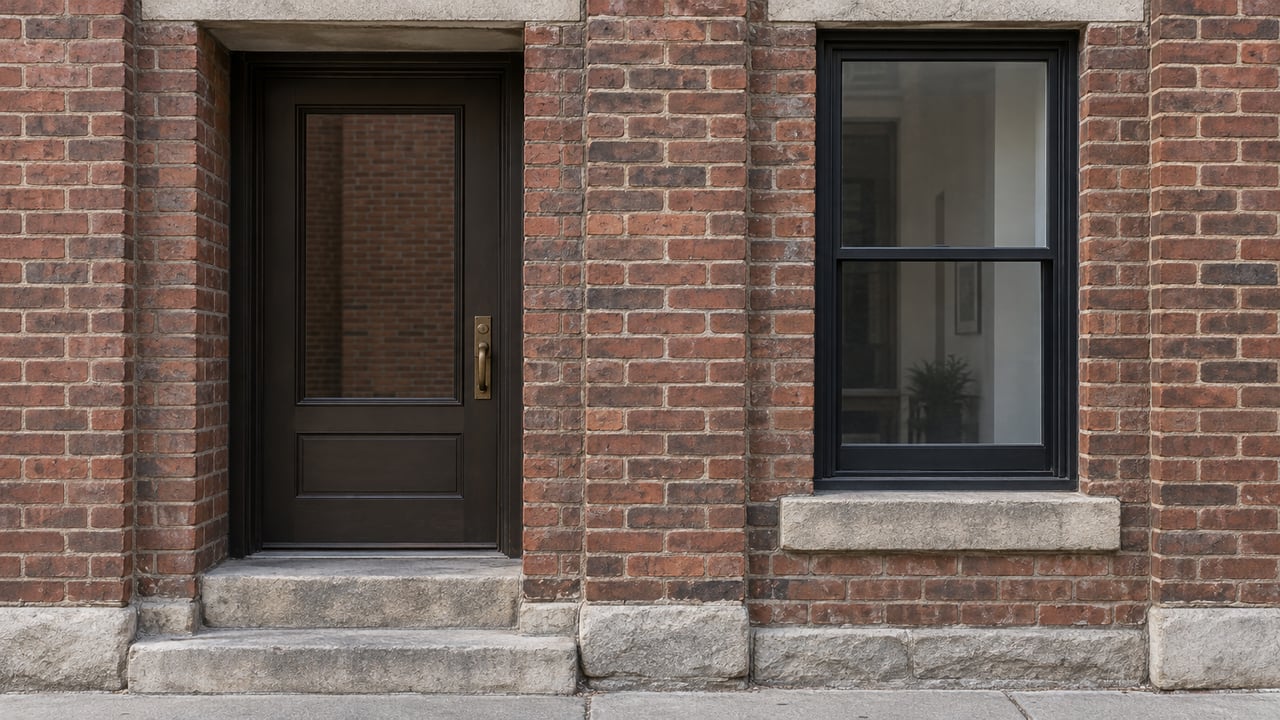
If you picture Bronzeville as one uniform housing market, you will probably be surprised. In practice, the built environment feels more like a patchwork of vintage masonry buildings, rehabs, and larger apartment buildings that can change noticeably from block to block.
Multifamily Housing Shapes the Area
In Grand Boulevard, 55.8% of housing units are in buildings with five or more units, 21.1% are in three- to four-unit buildings, 4.4% are in two-unit buildings, and 13.5% are detached single-family homes. In Douglas, 75.0% of units are in buildings with 20 or more units.
That tells you a lot about daily life. Bronzeville is strongly tied to multifamily living, whether that means an apartment in a larger building, a condo in a vintage structure, or a unit in a smaller brick building.
Renting Is Common
Renting plays a major role in Bronzeville’s core areas. Grand Boulevard is 67.7% renter-occupied and 32.3% owner-occupied, while Douglas is 80.8% renter-occupied and 19.2% owner-occupied.
For you as a buyer or renter, that can mean a housing search with a lot of multifamily options. For buyers interested in long-term ownership or small-scale investment, it also means understanding how owner-occupied and rental properties sit side by side in the local housing mix.
Chicago Two-Flats Still Matter
A classic Chicago housing form still helps define the look many people associate with Bronzeville. The Chicago two-flat, usually a two-story building with one unit per floor and often a brick or greystone facade, was commonly built between 1900 and 1920.
Two- and three-flats make up a quarter of Chicago’s housing stock overall, so they remain a familiar part of the city’s visual identity. In Bronzeville, that older housing form often sits alongside larger apartment buildings and newer renovations, which gives the area a layered look instead of a single style.
Housing Age Varies by Pocket
Grand Boulevard has 32.5% of its housing built before 1940. Douglas has a more mid-century profile, with a median year built of 1966 and 40.3% of housing dating from 1940 to 1969.
That mix can affect what you experience as a resident. One block may feel more historic in scale and materials, while another may lean more toward larger mid-century buildings or updated properties.
Getting Around in Bronzeville
Your routine in Bronzeville can be transit-friendly, but it may not be fully car-free depending on where you live and where you need to go during the week. The area supports a flexible lifestyle where rail, buses, walking, biking, and driving can all play a role.
Green Line Access Supports Daily Travel
The 35th-Bronzeville-IIT Green Line station is one of the area’s clearest transit anchors. CTA lists the station as accessible, with indoor bike parking and connections to bus routes #29, #31, and #35, and the Metra Rock Island line is one block west.
That kind of access can help with commuting, errands, and weekend plans. If you value options, Bronzeville offers a setup where rail and bus connections are part of everyday life in key pockets.
A Car-Light Lifestyle Is Possible
In Grand Boulevard, 22.0% of commuters use transit and 4.4% walk or bike. In Douglas, 23.9% use transit and 8.9% walk or bike.
Vehicle ownership numbers add more context. In Grand Boulevard, 29.0% of households have no vehicle, while in Douglas that number is 44.2%, which points to a lifestyle that can be fairly transit-oriented in some parts of Bronzeville.
Average commute times are about 30 to 32 minutes in these core areas. For many residents, that means Bronzeville can support a car-light routine, even if some households still rely on a car for part of the week.
Daily Routine and Local Geography
Bronzeville often feels corridor-based rather than centered on one single retail core. Daily errands, dining, and social time tend to follow active stretches like King Drive, Cottage Grove, and the 43rd to 47th Street area.
That can make the neighborhood feel practical and connected at the same time. Instead of everything gathering around one main shopping district, activity is spread across recognizable streets where businesses, events, and neighborhood institutions help shape the rhythm of the day.
Culture Is Part of Everyday Life
In Bronzeville, history and culture are not tucked away in the background. They show up in the streetscape, public art, events, and institutions that give the area a strong and visible identity.
Historic Identity Is Easy to See
Choose Chicago describes Bronzeville as a center for African American life and culture. The area includes the Bronzeville Walk of Fame, and the walk includes 92 bronze plaques along King Drive between 25th and 35th streets.
Public landmarks also anchor the neighborhood visually. The Monument to the Great Migration and the Victory Monument are part of Bronzeville’s everyday landscape, and the city identifies the Victory Monument as part of the Black Metropolis District and the site of an annual Memorial Day ceremony.
Arts and Heritage Stay Active
Bronzeville’s cultural spaces are active community assets, not just historic references. Local anchors highlighted in public sources include the Bronzeville/Black Chicagoan Historical Society, Harold Washington Cultural Center, South Side Community Art Center, and the Bronzeville Historical Society at Parkway Ballroom.
If you enjoy neighborhoods where art, memory, and community programming overlap, Bronzeville offers that in a very public way. The area’s identity is reinforced through regular cultural activity, not just occasional celebration.
Events Add Energy to the Calendar
Recurring programming helps shape the neighborhood’s rhythm. Bronzeville Summer Nights, Juneteenth community celebrations, and the Bronzeville Community Garden all reflect a local pattern where commerce, culture, wellness, and gathering come together.
The Bud Billiken Parade is another major public event associated with the area. Choose Chicago notes that it draws more than one million spectators each August, which speaks to Bronzeville’s visibility across the city.
Dining and Gathering Spots
Bronzeville’s dining scene leans toward independent, neighborhood-serving businesses. That gives everyday life here a local feel, especially if you enjoy places that double as social spaces.
Bronzeville Winery combines food, wine, and live music. Bronzeville Soul serves soul food at 47th and King Drive, and Carver 47 offers a cafe and market with healthy and soulful options.
Taken together, these kinds of businesses suggest a routine shaped by brunch, casual dinners, coffee stops, and community gathering places. For many residents, that is a big part of what makes Bronzeville feel distinct.
Outdoor Time Near Bronzeville
Bronzeville living also puts you within reach of outdoor spaces that can fit into a normal week. The Chicago Park District manages 26 miles of free lakefront beaches, and 31st Street Beach and Harbor is one nearby option.
Washington Park Natural Area adds another kind of outdoor experience, with volunteer stewardship helping maintain the space. If your ideal routine includes lakefront visits, park time, or simply more room to reset outdoors, Bronzeville offers access to those options nearby.
Who Bronzeville May Fit Best
Bronzeville can work for several kinds of buyers and renters, but the fit often depends on how you want to live. The housing stock, transit patterns, and neighborhood culture all point to a place that rewards clarity about your priorities.
You may feel especially comfortable here if you are looking for:
- A rental-heavy area with many multifamily housing options
- A classic Chicago setting with older brick buildings and layered housing styles
- A neighborhood where culture and history are highly visible in daily life
- A transit-friendly routine with the flexibility to be car-light
- Independent dining, community programming, and corridor-based local activity
For buyers and small investors, Bronzeville may also stand out if you are open to vintage multifamily properties, older building stock, and block-by-block variation. That kind of local nuance matters when you are comparing opportunities, planning a renovation, or deciding where your routine will feel most natural.
If you are weighing your options in Bronzeville, it helps to have a clear read on the housing mix, the rhythms of the commercial corridors, and how one pocket may differ from another. That is where local guidance can make your search feel more focused and a lot less overwhelming. If you want help understanding how Bronzeville fits your goals as a buyer, seller, or small investor, connect with Naja Morris.
FAQs
What is Bronzeville in Chicago?
- Bronzeville is a cultural district on Chicago’s South Side rather than one fixed neighborhood boundary, with strong ties to Douglas, Oakland, Grand Boulevard, and Kenwood.
What types of homes are common in Bronzeville?
- Bronzeville’s core areas are heavily multifamily, including larger apartment buildings, smaller multi-unit properties, and classic Chicago two-flats and three-flats.
Can you live in Bronzeville without a car?
- In some parts of Bronzeville, yes, a car-light routine is realistic because of Green Line access, bus connections, and relatively high rates of transit use and car-free households.
What is the daily feel of Bronzeville like?
- Everyday life in Bronzeville often feels historic, arts-centered, and community-oriented, with activity concentrated along corridors like King Drive, Cottage Grove, and 43rd to 47th streets.
What cultural landmarks are part of Bronzeville?
- Bronzeville includes the Black Metropolis District, the Bronzeville Walk of Fame, the Monument to the Great Migration, and the Victory Monument, along with active arts and heritage institutions.
Is Bronzeville better for renters or buyers?
- Bronzeville has a large renter presence in its core areas, but it can also appeal to buyers and small investors who are comfortable with multifamily housing, older buildings, and block-by-block variation.