Thinking about calling Bronzeville home? You’ve probably heard about its historic roots, classic architecture, and easy access to the city’s core. If you want a clear picture of daily life here, this guide breaks down housing, transit, parks, culture, and practical tips for buying or selling in the neighborhood. You’ll walk away with a real sense of fit and smarter next steps. Let’s dive in.
What we mean by “Bronzeville”
Bronzeville sits on Chicago’s near-south side and is widely known for its role in the Black Metropolis era. Locals and city agencies use different boundary lines, often centering on parts of Grand Boulevard and Douglas and overlapping with designated historic districts. When you compare data or listings, confirm which definition a source is using. Clear boundaries help you compare apples to apples, especially for pricing and schools.
Housing at a glance
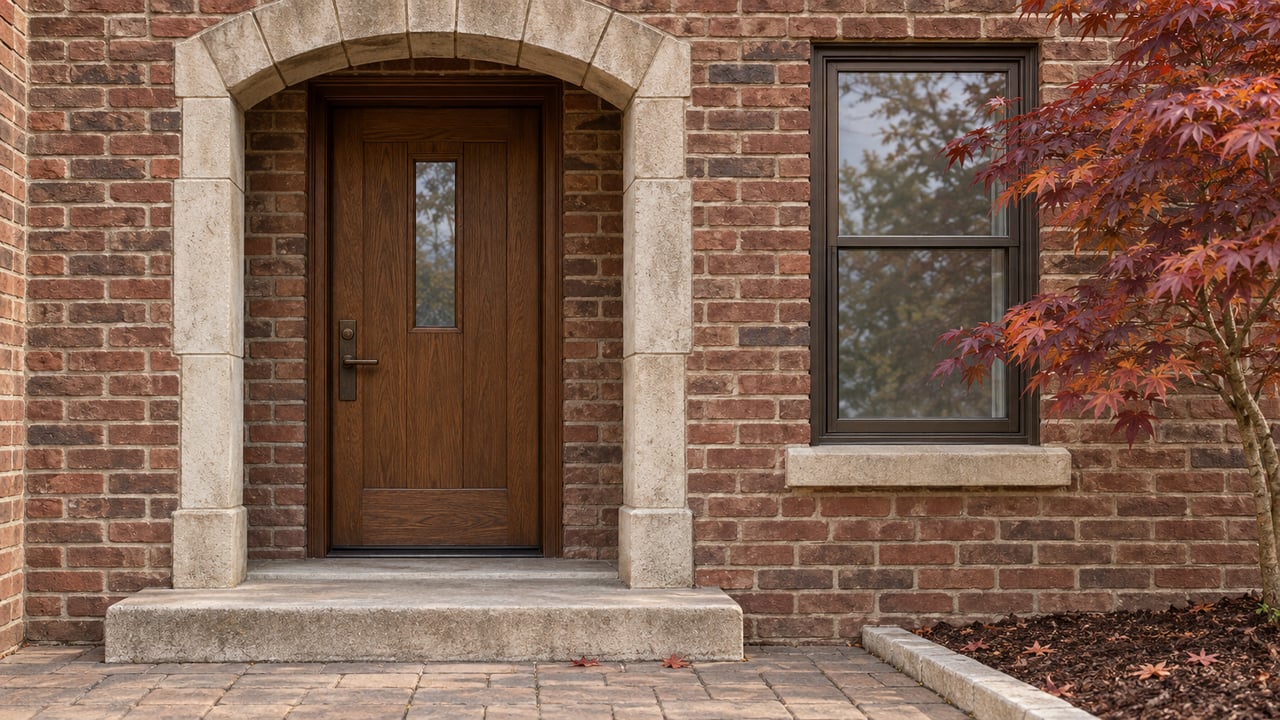
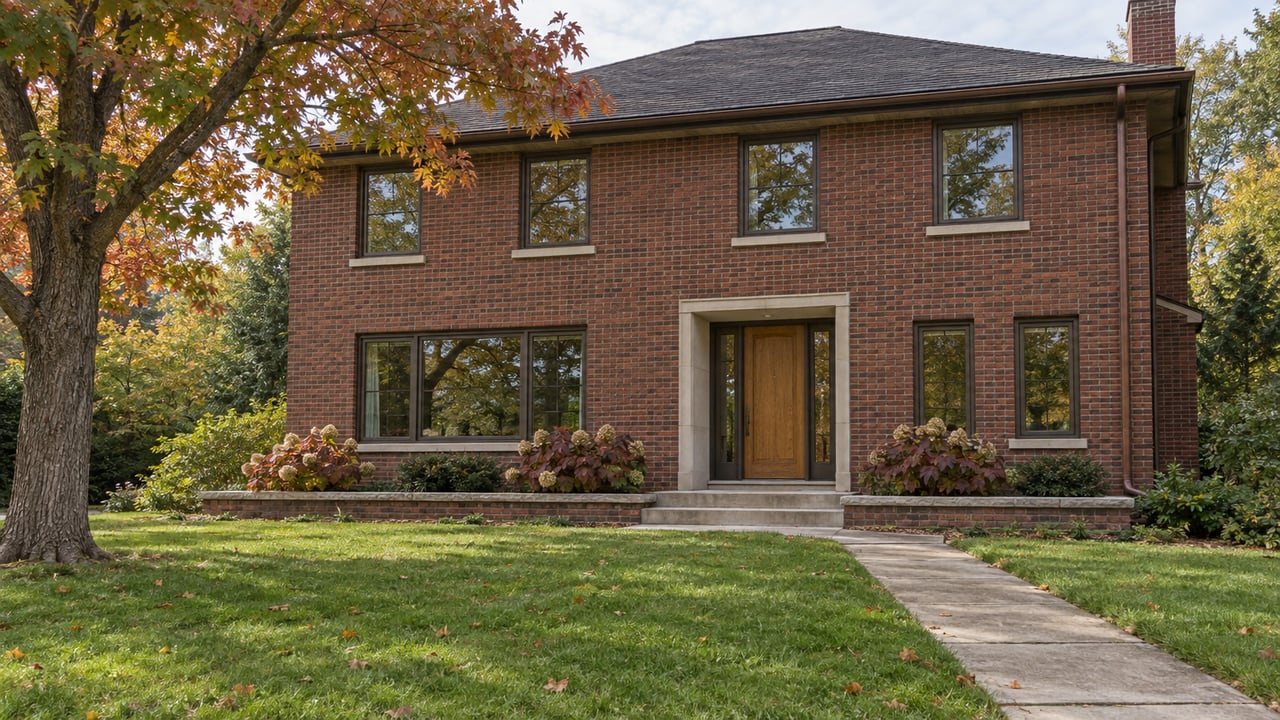
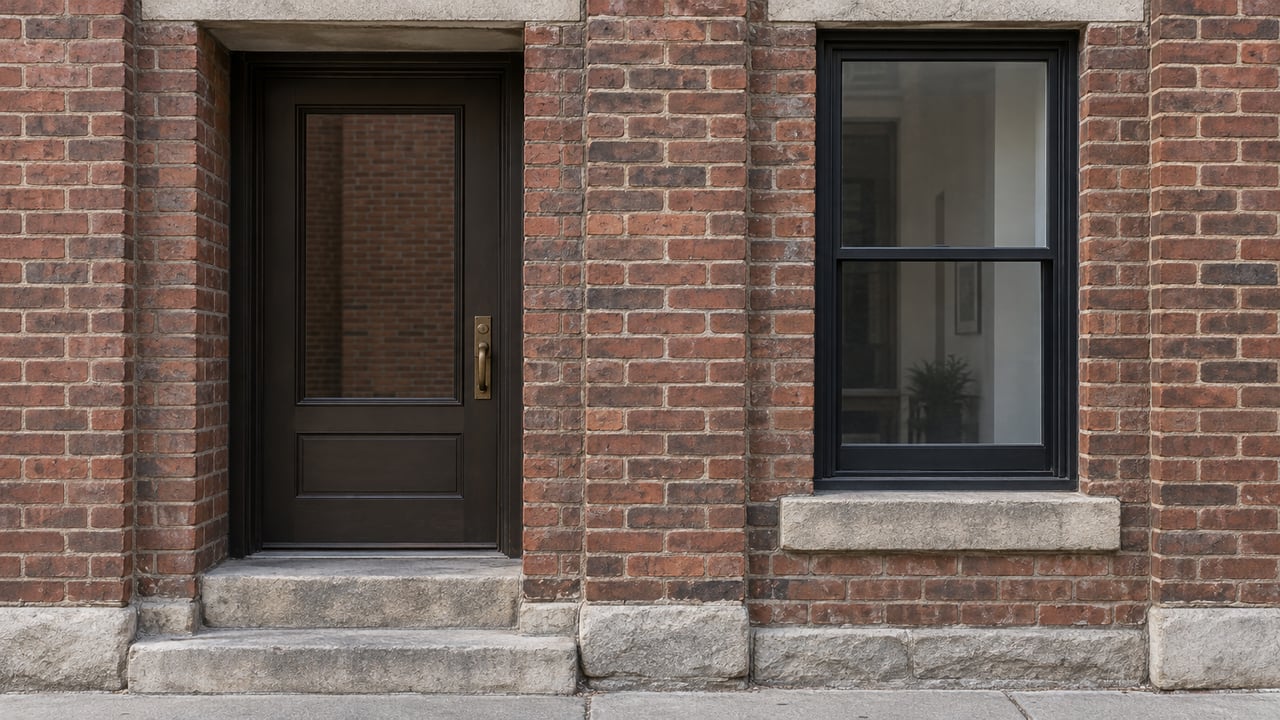
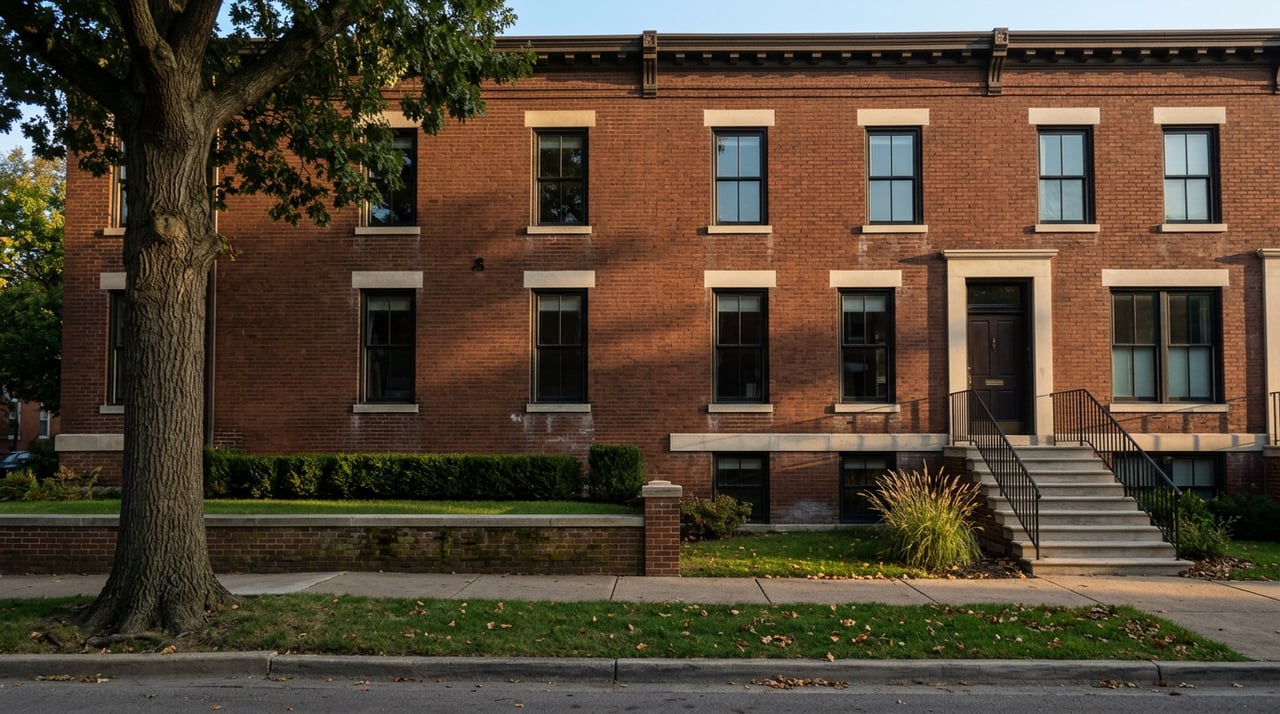
Bronzeville offers a broad mix of homes. You’ll see early 20th-century greystones and brick two- and three-flats, renovated historic properties, adaptive reuse, and newer condo and townhome developments. Some streets feature larger single-family homes and bungalows, while others lean more multifamily. Many homes have standout architectural details, and some need renovation or system upgrades.
Who buys here
- First-time buyers who want value and historic character.
- Professionals who prioritize transit access and nearby dining or arts.
- Families seeking larger floor plans, parks, and community amenities.
- Investors targeting rental units near institutions and transit.
Pricing and pace
Market conditions shift quickly as new projects come online and citywide trends change. To make a smart offer or pricing strategy, look at current median sale price, price per square foot, days on market, and inventory for your specific property type. Ask for a hyperlocal snapshot that uses the same boundary definition you plan to search or list within.
Owning, renovating, and financing
Some Bronzeville properties sit in historic districts or carry landmark status. That can affect renovation permits, exterior design review, and eligibility for certain historic rehab tax credits. Before you buy or start work, confirm whether a property falls under historic guidelines, then align your scope with what is allowed.
Older buildings often need attention to roofing, masonry, porches, plumbing, electrical, and HVAC. For financing, standard FHA and conventional loans apply, and rehab-friendly options like 203(k) or Fannie Mae Homestyle can help fund improvements. If you plan a major rehab, build your budget around a detailed inspection and contractor bids, not just rules of thumb.
Getting around
Transit and commute
Bronzeville is served by multiple CTA train lines nearby and several bus routes along major corridors. Many residents combine buses with the “L” for commutes to the Loop and other job centers. If you drive, the Dan Ryan Expressway and key arterials offer access to downtown and the wider region. Actual commute times vary by exact address and route.
Parking and daily driving
Parking options vary block by block. Some streets use permit zones, and newer buildings may include garage or dedicated spaces. If parking matters to you, confirm availability at different times of day and check any HOA or permit requirements.
Daily convenience and walkability
Walkability shifts across Bronzeville. Some corridors offer clusters of cafes, restaurants, small markets, and services. Other areas are quieter and residential. When you tour, map your go-to stops for groceries, pharmacies, banking, fitness, and healthcare. You’ll get a better feel for your weekly routine.
Parks and green space
You’re close to a range of parks, playlots, and recreation centers, with larger regional parks a short drive or public transit ride away. The Chicago Park District runs seasonal programs, youth sports, and community events, which can be a helpful resource for families and active adults. When you scout homes, check how far you are from your preferred fields, playgrounds, or trails.
Culture, dining, and community
Bronzeville’s identity is rooted in its historic role in Chicago’s African American arts and culture. You’ll find cultural centers, performance spaces, museums focused on history and art, and landmarks that celebrate the Black Metropolis era. Community festivals, live music, and local galleries add energy through the seasons.
Dining is a blend of long-standing neighborhood kitchens and newer spots. Expect everything from soul food and BBQ to contemporary cafes and gastropub-style menus. Because openings and hours change, plan to confirm details as you explore.
Schools and youth resources
Public school options and performance vary by address. If schools are a priority, check Chicago Public Schools boundary information and the latest performance data for the specific schools linked to your home search. Families also use libraries, park programs, and community centers for after-school and weekend activities.
Safety and due diligence
Safety can vary by block and change over time. If it’s a key factor for you, review current crime data for specific intersections and time frames, and consider recent trend lines. Community groups and local meetings can add context to the numbers and highlight ongoing initiatives.
Buyer tips for Bronzeville
- Define your search map. Use a clear Bronzeville boundary and stick with it for all data comparisons.
- Align financing with property condition. Consider a rehab-friendly loan if you plan improvements.
- Inspect for system health. Older buildings may need roof, masonry, or mechanical updates.
- For condos or townhomes, review HOA health. Check reserves, assessments, and any planned projects.
- Research taxes and incentives. Historic credits or local programs may apply if you qualify.
Seller tips for Bronzeville
- Document improvements. Permits, warranties, and contractor invoices build buyer confidence.
- Lead with condition. Address roof, porch, masonry, and mechanical maintenance before listing.
- Stage and showcase. Professional photos and clear storytelling help buyers see value.
- Price with hyperlocal comps. Use the same boundary definition buyers will use.
- Consider pre-list inspections. Fewer surprises can speed up the path to closing.
For investors and new builders
Bronzeville attracts investors who value transit access and proximity to institutions. If you are evaluating a rehab or small development, confirm historic or landmark considerations early. Align your scope with zoning, permitting, and design review where required. Build your pro forma with realistic rent comps, vacancy assumptions, reserves, and timeline buffers.
How we help in Bronzeville
You get local guidance and hands-on execution tailored to this neighborhood. From buyer and seller representation to rehab coordination and ground-up consulting, you have a partner who understands Bronzeville’s housing stock, permitting flow, and market signals. If you are an emerging investor or developer, you can tap vendor curation, step-by-step project planning, and a marketing network that connects you with serious buyers.
Ready to find your fit or prep your sale in Bronzeville? Reach out to Naja Morris to schedule a consultation and get access to private opportunities.
FAQs
What types of homes are common in Bronzeville?
- You’ll see greystones, brick two- and three-flats, renovated historic properties, adaptive reuse, and newer condos and townhomes.
How long is the commute to downtown Chicago from Bronzeville?
- Commute times vary by exact location and route, with many residents combining CTA bus and train service or using major roadways for driving.
Are there parks and green spaces near Bronzeville homes?
- Yes, the neighborhood sits near a range of parks, playlots, and recreation centers, with larger regional parks accessible by a short drive or transit.
What should I know about buying a historic home in Bronzeville?
- Confirm whether the property falls in a historic district or has landmark status, since that can affect renovation permits and exterior design guidelines.
What financing options help with renovations in Bronzeville?
- In addition to conventional and FHA loans, buyers often explore 203(k) or Fannie Mae Homestyle loans to combine purchase and rehab funds.
How do schools work for Bronzeville addresses?
- Public school options depend on your address; review CPS boundary and performance data for the specific schools tied to the home you are considering.
Is Bronzeville a good fit for first-time investors?
- It can be, especially near transit and institutions, but success depends on a realistic pro forma, clear permitting strategy, and strong vendor partners.